
Traditional exams remain an important part of education because they provide a practical way to measure specific areas of knowledge. A well-designed exam can show whether students understand key concepts, remember important information, and apply established methods to solve clearly defined problems.
However, many abilities expected in college and professional environments develop through experiences that cannot be fully represented by a single score. Students are often required to research unfamiliar topics, evaluate information, create solutions, explain decisions, and improve their work after receiving feedback. These skills usually become visible when learners work through complex tasks over time.
Portfolio-based assessment provides another approach by examining a collection of student work created throughout a course, program, or training experience. Instead of relying primarily on examination results, instructors review projects, case studies, written analysis, designs, presentations, drafts, and reflections to understand how students approach meaningful assignments.
Portfolio assessment is not designed to eliminate traditional testing. Exams remain useful for measuring foundational knowledge and academic preparation, while portfolios provide additional evidence of how students apply concepts, solve problems, and develop their abilities through practical work.
A traditional exam provides a focused measurement of student performance under controlled conditions. Students usually answer the same questions within a fixed time period, allowing educators to evaluate understanding of terminology, calculations, theories, and established procedures.
This approach is especially useful when the goal is to determine whether learners have mastered essential information. A mathematics exam, for instance, can show whether students understand specific methods and can apply formulas correctly. A science test can reveal whether students understand important principles and concepts.
The challenge appears when learning involves creativity, judgment, communication, or long-term development. Some abilities emerge gradually through practice, feedback, and revision rather than through a single assessment event.
A student studying engineering may understand design principles but need several attempts to develop a successful solution. A future teacher may understand classroom management theories but require practical teaching experience to adjust lessons effectively. A business student may understand marketing concepts but need experience analyzing customer behavior and making recommendations based on available information.
Portfolio assessment changes the type of evidence being reviewed. Instead of examining only the final answer, instructors can evaluate the decisions, revisions, and reasoning that contributed to the final result.
A business student completing a market analysis project may submit a final recommendation along with research notes, competitor analysis, draft presentations, and feedback received during the project. These materials provide a clearer picture of how the student gathered information, evaluated options, and refined the final proposal.
An effective portfolio is created through intentional planning. Before students begin collecting work, instructors need to determine which skills they want to evaluate and what type of evidence can demonstrate those abilities.
A common mistake is treating a portfolio as a storage folder containing every assignment completed during a semester. A stronger portfolio is selective. Each piece of work should serve a purpose and demonstrate a specific learning outcome.
A college digital media course may organize a semester portfolio around several stages. Students might submit an initial project proposal explaining the intended audience and design goals, early drafts showing development decisions, feedback received from instructors or classmates, a completed project, and a final reflection describing changes made during revision.
The goal is not to increase the number of documents included. Each item should provide evidence of a specific skill or decision rather than simply add more material.
Students and instructors can evaluate portfolio items by considering several questions:
What skill does this work demonstrate?
What problem was the student trying to solve?
What decisions influenced the final result?
How did feedback affect later revisions?
This structure helps instructors evaluate both the quality of the final product and the process used to create it.
A strong portfolio does not simply show what students completed. It provides evidence of how they think, make decisions, respond to challenges, and improve their work.
The content of a portfolio depends on the subject area because different disciplines require different forms of evidence. A useful portfolio in engineering will look very different from one created in education, business, or creative fields.
In an engineering course, students may build a portfolio around a product design challenge. The collection might include initial sketches, design requirements, testing results, technical problems encountered, and explanations of adjustments made during development. A final design may show the outcome, but the supporting materials reveal how the student approached challenges and improved the solution.
Teacher preparation programs often use portfolios to document classroom development. A student preparing to become a teacher may include lesson plans, instructional materials, classroom observation notes, and reflections explaining how teaching strategies changed based on student responses. These materials provide evidence of practical teaching ability beyond knowledge of educational theory.
Computer science students may organize portfolios around software projects. Instead of submitting only completed applications, they may include project documentation, testing records, examples of technical decisions, and explanations of how problems were identified and solved.
Creative fields have traditionally placed strong emphasis on portfolio-based evaluation because completed work provides direct evidence of skill. A graphic design student, for example, may select several projects that demonstrate different abilities, such as visual communication, user-focused design, and creative problem-solving. Each project can include a brief explanation of the original goal, revisions made, and the reasoning behind major choices.
The effectiveness of a portfolio depends on the connection between the evidence and the learning objectives. Without clear goals, a portfolio can become an archive of assignments rather than a meaningful assessment tool.
Case studies are valuable components of portfolio assessment because they require students to work with realistic situations where solutions are not always obvious.
Many classroom exercises provide clear instructions and expected answers. Professional tasks are often different. People must evaluate incomplete information, consider competing priorities, and explain why they selected one approach over another.
A business student analyzing a company expansion decision may need to examine customer demand, available resources, market conditions, and potential risks before recommending a strategy. The quality of the work depends not only on the recommendation but also on the reasoning used to support it.
In a public service course, students may analyze a community challenge and develop a proposal based on available information. In a technology program, students may compare different solutions to a technical problem and explain why one approach is more appropriate.
These activities give instructors a clearer view of how students respond to realistic situations where information is incomplete and decisions require careful judgment.
A portfolio preserves the development of that thinking process. It can show how students gathered information, considered alternatives, responded to feedback, and adjusted their approach.
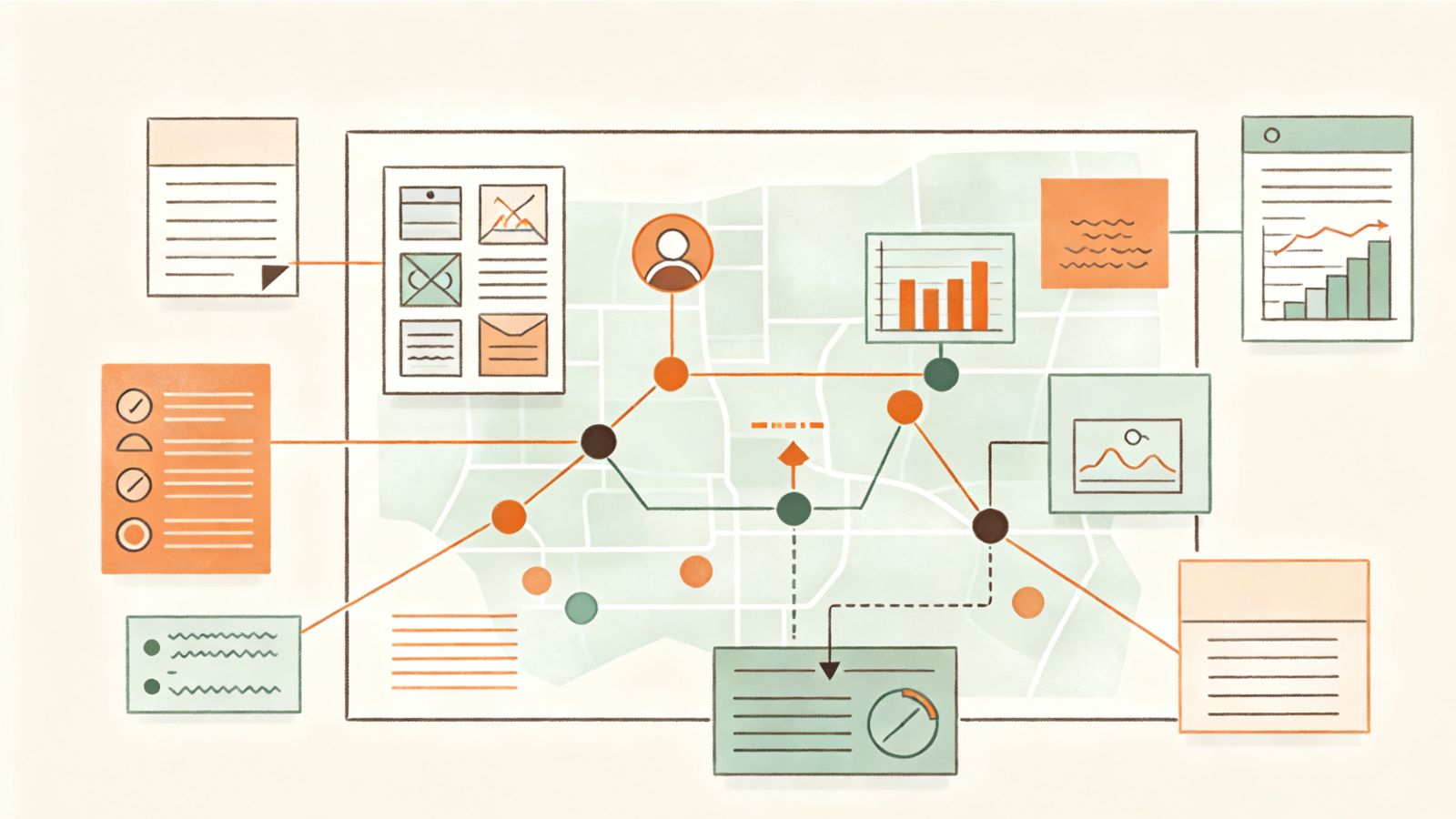
A larger portfolio does not automatically represent stronger learning. In many cases, carefully selected evidence provides more value than a large collection of unrelated assignments.
Students often need guidance on choosing which materials best represent their abilities. Including every completed task can make it difficult for reviewers to identify important achievements.
A graphic design student preparing a portfolio, for example, does not need to include every poster or illustration created during a semester. A stronger selection may include a few projects that demonstrate different skills, such as branding development, interface design, and visual communication. Each project should explain the original objective, challenges encountered, revisions made, and final outcome.
The same principle applies in academic subjects. A science student may choose a research project that demonstrates the ability to collect information, analyze results, and communicate findings. A history student may include a research paper with notes explaining how sources were evaluated and how the argument developed.
The selection process itself has educational value. When students decide which examples best represent their progress, they are encouraged to evaluate their own strengths and recognize areas where improvement is needed.
Reflection is one of the features that separates portfolio assessment from a simple collection of completed assignments. A final product shows what students created, but reflection explains the choices and challenges behind that work.
Effective reflection does not require lengthy personal writing. Many instructors provide focused questions that encourage students to analyze their process.
A student completing a community research project might explain:
what problem the project addressed;
which decisions influenced the final outcome;
what feedback changed the direction of the work;
what improvements would be made if the project continued.
These responses provide information that may not be visible from the finished product alone.
Two students may submit projects of similar quality but demonstrate different levels of understanding. One student may clearly explain why certain decisions were made and how problems were solved. Another may struggle to connect choices with results.
Reflection gives instructors a better understanding of student thinking and helps learners become more aware of their own methods.
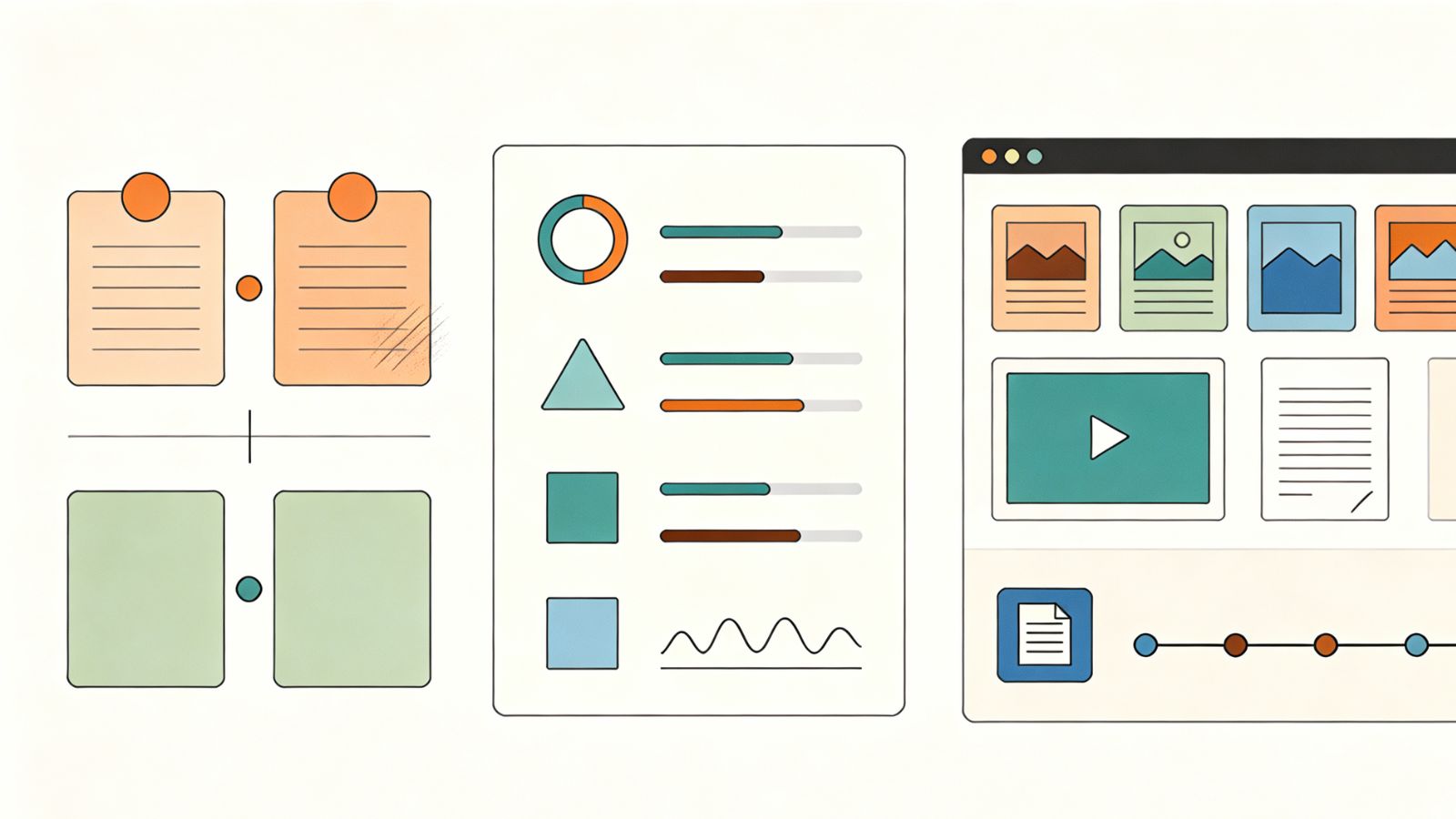
Portfolio assessment provides detailed information about student ability, but evaluating portfolios requires careful planning. Because projects often involve different approaches and creative decisions, instructors need clear standards to maintain consistency.
A well-designed rubric helps establish those standards. Instead of judging work based only on personal preference, teachers can evaluate specific areas connected to course objectives.
A project portfolio rubric may include criteria such as:
accuracy of information;
quality of research;
technical execution;
communication of ideas;
problem-solving approach;
response to feedback.
The exact criteria should match the subject. A software development course may focus on functionality, documentation, and technical decisions, while a writing course may emphasize research quality, organization, and argument development.
Teachers should introduce evaluation expectations before students begin their projects. When learners understand what evidence is required and how their work will be reviewed, portfolio assessment becomes more structured and transparent.
Digital platforms have expanded the possibilities of portfolio assessment. Instead of maintaining physical folders, students can organize documents, images, videos, presentations, and demonstrations in one accessible location.
An education student may include a recorded teaching demonstration, lesson materials, and written reflections. A computer science student may provide examples of completed applications along with documentation explaining the development process. An architecture student may present design models, visualizations, and project explanations.
A digital portfolio can continue growing beyond a single course. Students may add internship projects, advanced coursework, professional training experiences, and independent work over time.
However, technology itself does not create a meaningful portfolio. The value still depends on thoughtful selection, clear organization, and explanations that connect individual projects with specific skills.
Portfolio-based assessment provides broader evidence of learning, but it also creates practical challenges.
The first challenge is time. Reviewing multiple projects, drafts, and reflections requires more effort than scoring many standardized assessments. Teachers need enough time to provide meaningful feedback rather than simply confirm that materials have been submitted.
Consistency is another concern. Open-ended projects may produce different but valid solutions, making clear evaluation criteria essential. Without strong guidelines, students may feel uncertain about expectations, and instructors may struggle to apply grades fairly.
Resources must also be considered. Some projects require specialized software, equipment, or outside experiences. Schools and training programs need to ensure that portfolio requirements are realistic and accessible for students.
For these reasons, portfolio assessment works best when it is carefully designed and combined with other evaluation methods rather than introduced as a simple replacement for exams.
Portfolio-based assessment works best as part of a broader evaluation system. Different assessment methods provide different information about student performance, and each approach serves a specific purpose.
Exams remain useful for measuring foundational knowledge, conceptual understanding, and the ability to apply established procedures. A portfolio provides a different type of evidence by showing how students approach complex assignments, develop ideas, respond to feedback, and improve their work through multiple stages.
The value of a portfolio comes from the record it creates throughout the learning process. Instead of capturing only a final score, it preserves the development of an idea from the early planning stage to the completed project. Educators can examine the decisions students make, the challenges they encounter, and the adjustments they introduce when improving their work.
A student who can explain a marketing concept on an exam may still need practice analyzing customer behavior, interpreting information, and developing recommendations for a real situation. Portfolio assessment focuses on that practical level of performance by documenting how students use knowledge when completing meaningful tasks.
For schools, universities, and professional training programs, portfolios provide another way to understand achievement. They show how students move from understanding concepts to producing work, solving problems, and demonstrating skills that are relevant beyond the classroom.