
Most digital note-taking systems have the same problem: they are very good at remembering things and not nearly as good at helping people use them again.
Meeting notes get filed away. Interesting articles become browser bookmarks. A useful idea gets typed into a notes app and then disappears beneath hundreds of newer entries. At the moment of capture, the information may be valuable. Six months later, finding it again can be harder than simply looking up the subject from scratch.
Evergreen notes take a different approach. Instead of treating every note as a record of something that happened, they treat some notes as developing pieces of knowledge. A useful idea can be rewritten, refined, connected to other ideas, and reused across different projects. It does not have to be finished on the day it is created.
That shift sounds small, but it changes what a knowledge base is for. The goal is no longer to remember where something was stored. It is to make useful ideas easier to find, understand, question, and build on later.
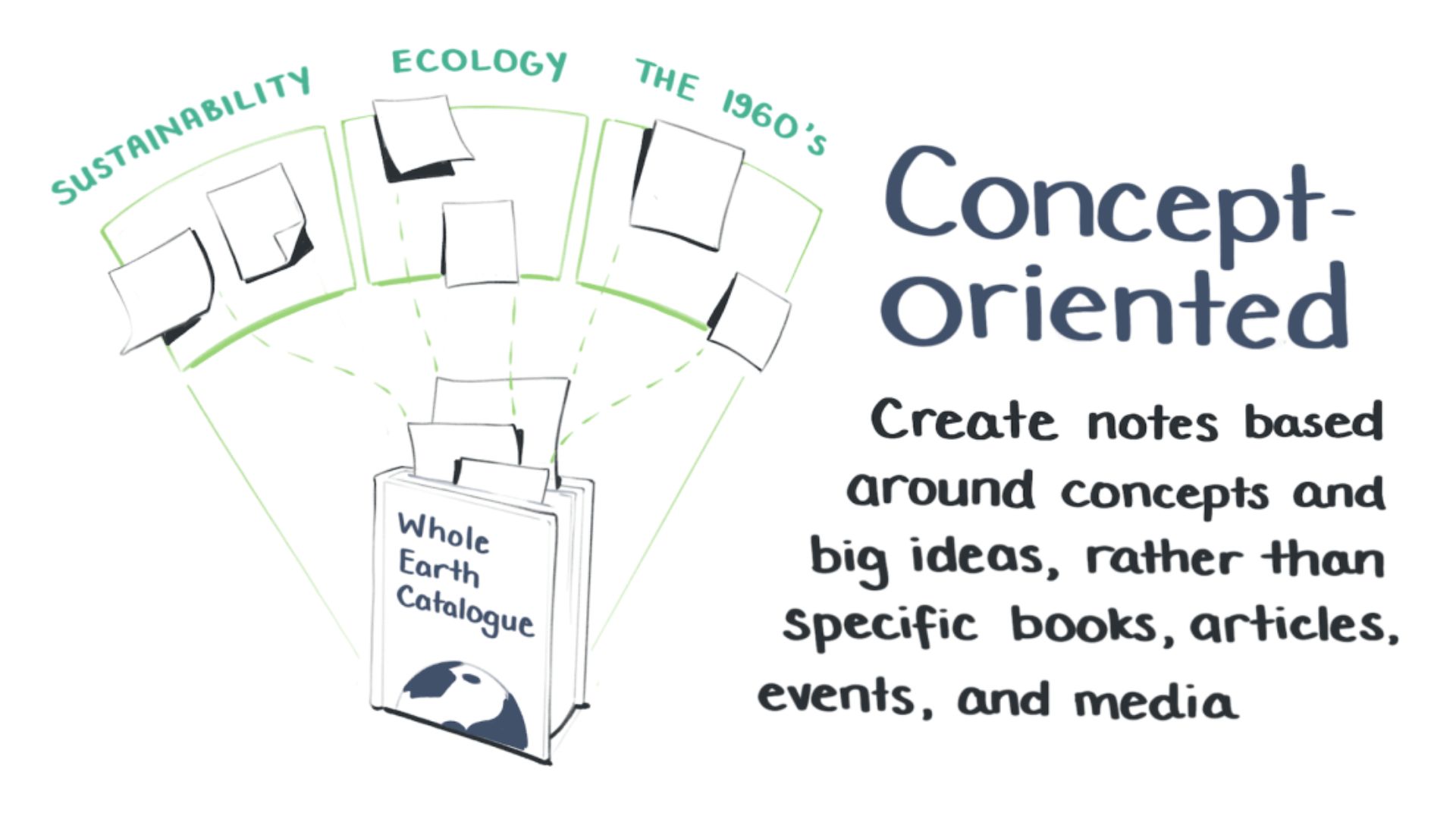
The idea of evergreen notes is closely associated with Andy Matuschak, whose public note-taking practice describes notes as things that can “evolve, contribute, and accumulate over time, across projects.” His approach draws heavily from the Zettelkasten tradition associated with Niklas Luhmann, while deliberately using a somewhat different framework and terminology.
An evergreen note is therefore more than a permanent copy of something that was read.
Consider two notes about pricing.
The first is titled Pricing Meeting - March 4 and contains a summary of what the team discussed. It may be useful for remembering that particular meeting, but its value is closely tied to the event.
The second might be titled Price sensitivity makes simple tier structures easier to compare. That note expresses a specific idea that can potentially be connected to product strategy, customer behavior, packaging, and other topics.
The difference is not simply the title. The second note has been written around a concept rather than an event. That makes it easier to revisit and revise when new information appears.
Matuschak's own principles emphasize that evergreen notes should be atomic, concept-oriented, densely linked, and written primarily for the writer's own future use.
A source-oriented note answers a question such as, “What did this book say?”
An evergreen note asks a slightly different question: “What idea do I want to keep thinking about?”
That distinction matters because sources are temporary containers. A book has a title and publication date. A meeting has a date and list of attendees. An article has an author and URL. The underlying idea may outlive all of them.
Suppose a product manager reads three different reports about customer retention. A conventional note-taking system might create three summaries, one for each report. An evergreen approach can eventually produce a separate note about a recurring idea, such as why reducing friction at a specific point in a customer journey can improve retention.
The three sources still matter as evidence and context. But the idea becomes easier to work with because it is no longer trapped inside one document.
This does not mean sources should be removed. Quite the opposite. Keeping references makes it possible to check where an idea came from. The point is to separate the enduring idea from the temporary container that introduced it.
Atomicity is one of the central principles of Matuschak's approach. An atomic note focuses on a relatively narrow idea rather than trying to become a complete chapter on an entire subject.
That does not mean every note must contain exactly one sentence or one fact. It means the note should have a clear conceptual center.
Imagine a note titled Everything I Know About Remote Work. It could contain research findings, personal observations, productivity tips, management practices, and statistics. Finding one specific idea inside it would require searching through the whole document.
Now split the material into focused notes such as:
Remote work outcomes vary by job design
Asynchronous communication reduces some meeting costs
Remote onboarding creates different information gaps
Each note has a narrower purpose. More importantly, each can be connected to other ideas without dragging an entire collection of unrelated material along with it.
There is a limit, though. Breaking every thought into microscopic fragments can make the system harder to use. Atomicity is about useful boundaries, not maximum fragmentation.
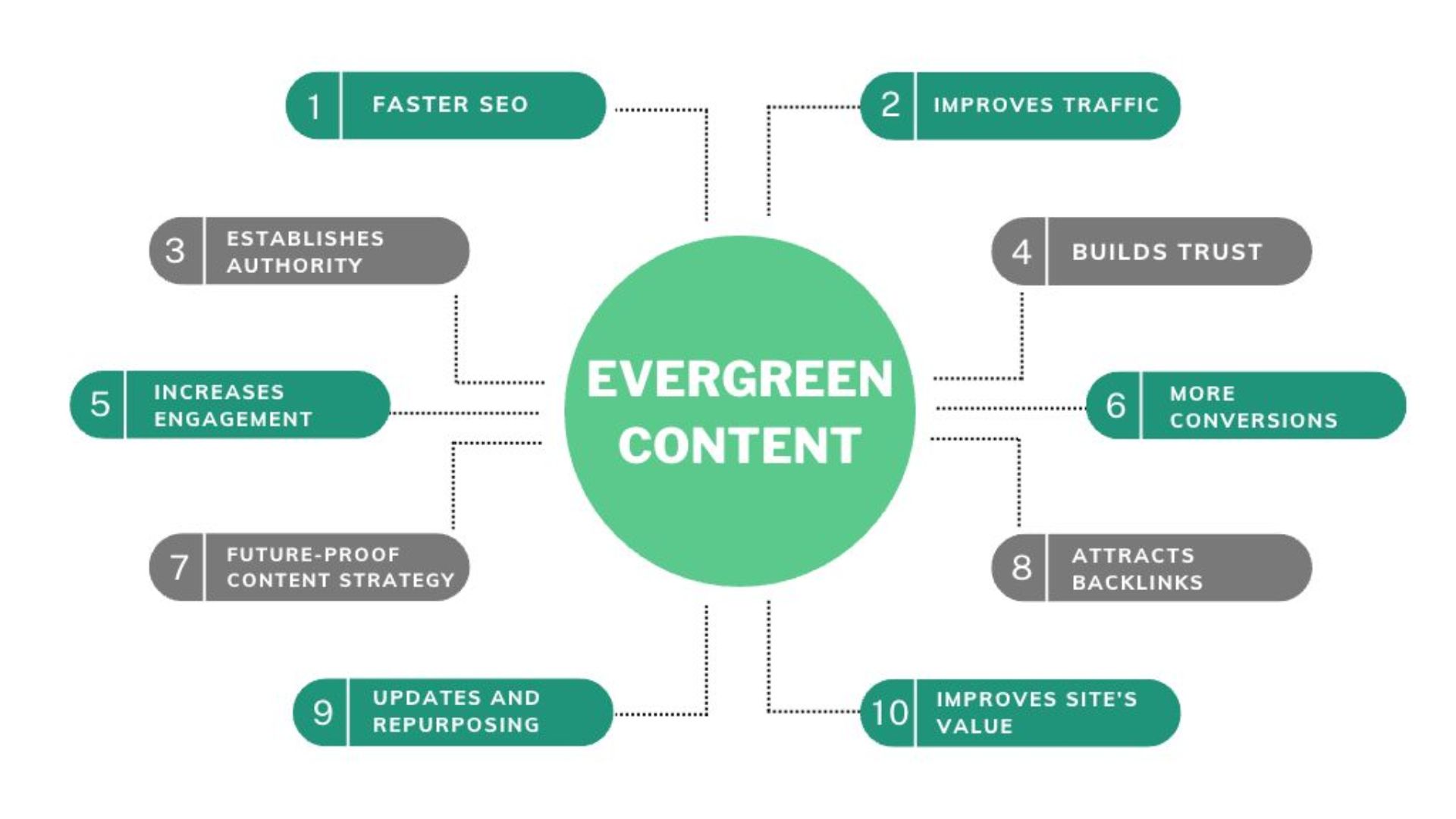
An evergreen note should make sense when it is encountered outside the context in which it was originally written.
That is harder than it sounds.
A note saying This is important because of what the author said above may make perfect sense during a reading session. Three months later, it is almost useless. The “above” has disappeared, the original context has faded, and the writer has to reconstruct the argument.
A stronger note states the idea directly.
Instead of:
Important point from chapter 4 about user behavior.
write something closer to:
Users often abandon complex onboarding flows before they understand the product's core value.
The second version makes an assertion. It can be questioned, refined, supported with evidence, or connected to other notes.
Writing in your own words also changes the act of reading itself. Matuschak explicitly emphasizes writing about what has been read as a way to internalize the material rather than merely collecting quotations.
A knowledge base becomes more interesting when ideas can lead to other ideas.
Suppose a note about behavioral economics connects to one about interface design. Another note about learning connects to both. A fourth note about organizational incentives introduces a completely different angle.
These connections do not need to follow a rigid folder hierarchy. In fact, Matuschak specifically recommends associative relationships over purely hierarchical taxonomies.
That is one of the useful differences between a knowledge base and a conventional filing cabinet.
Folders answer the question, “Where does this belong?”
Links can answer a more interesting question: “What else does this remind me of, support, contradict, or help explain?”
Over time, those relationships can reveal patterns that were difficult to see when each idea lived inside its original source.
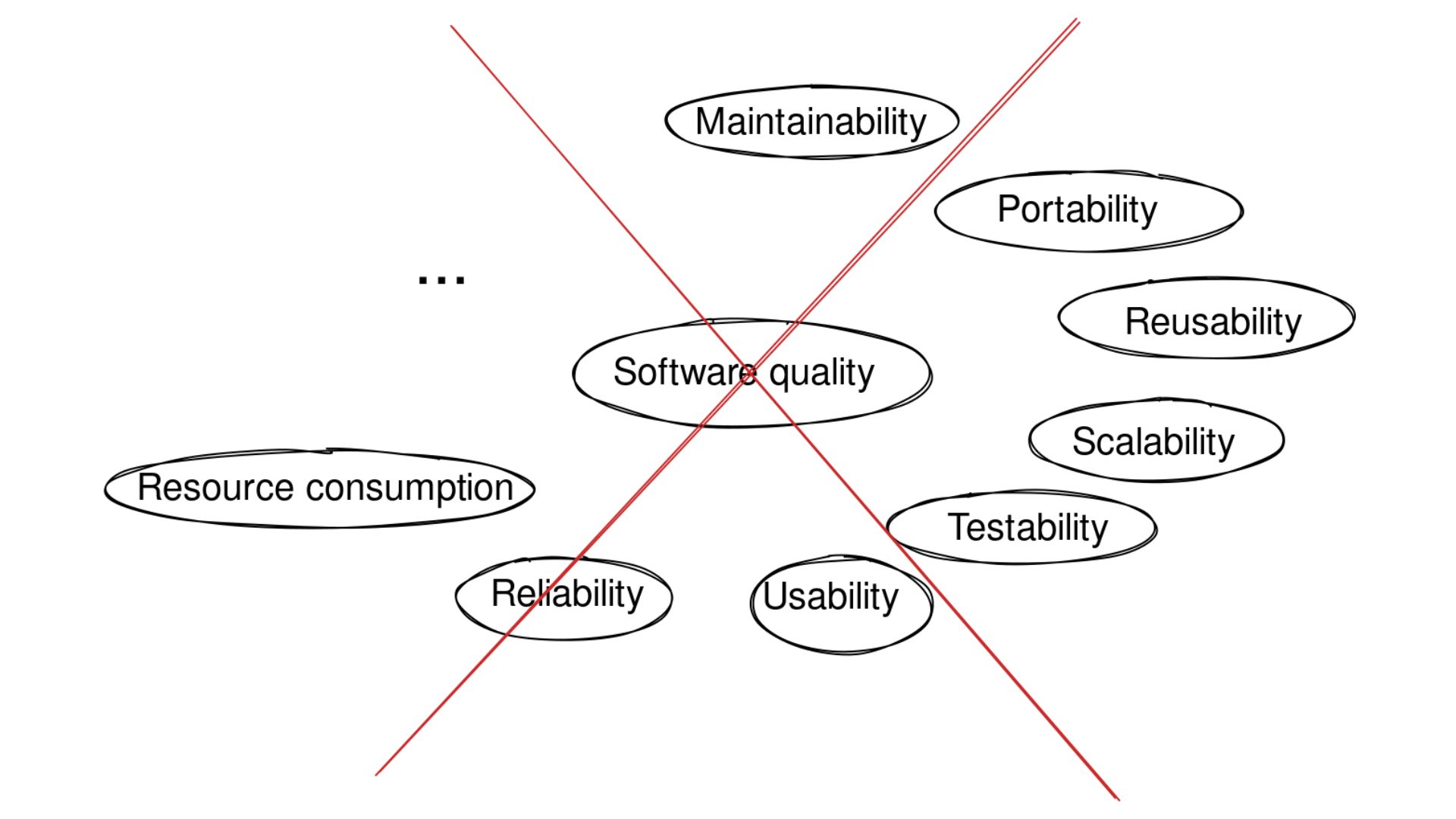
Evergreen does not mean permanent in the sense of “never edit this again.”
It means the note is intended to remain alive.
A new study may weaken an old assumption. A project may reveal an exception. Another note may provide a better explanation. When that happens, the original note can change.
This is one reason evergreen notes differ from archival records. A meeting transcript should preserve what happened at the meeting. An evergreen note about a lesson learned from that meeting can evolve as understanding improves.
That distinction prevents an important category error: not every piece of information should be rewritten into an evergreen note. Some information exists mainly because it needs to be preserved accurately.
Trying to write an evergreen note every time an idea appears is a good way to make note-taking exhausting.
A better workflow separates capture from development.
Capture first. Develop later.
A quick capture might contain a quotation, a link, a rough observation, or a question. It does not need a polished title or perfect structure.
During a later review, some captures will prove useful. Those can be rewritten as clearer ideas. A few may deserve links to existing notes. An even smaller number may become important enough to revisit repeatedly.
The process can look roughly like this:
Quick Capture → Review → Rewrite the Idea → Connect It → Revise When Needed
The sequence is flexible. A note may move forward quickly, or it may sit in an inbox for weeks before its value becomes clear.
That is fine. The system should accommodate uncertainty rather than pretending every thought is equally important from the moment it appears.
Imagine a writer researching why some software products struggle with customer retention.
During research, the writer saves several passages from different sources. One discusses onboarding. Another examines pricing. A third looks at customer support.
At first, these are simply research materials.
Later, a recurring pattern appears: customers seem more likely to leave when they encounter friction before reaching the product's core value. The writer creates a focused note:
Users are more likely to abandon a product when onboarding delays the first meaningful outcome.
That note can then connect to research on onboarding, product design, customer psychology, and retention.
Several months later, a new project reveals an important qualification: the relationship may depend heavily on product complexity. The note is updated.
Nothing about the process requires the original sources to disappear. They remain available for verification and deeper reading. What has changed is the level at which the writer can work with the idea.
A long document full of copied material may be useful as a reference. It does not automatically become an evergreen note simply because it has been saved permanently.
This is where many knowledge systems become cluttered.
A 30-page transcript called Evergreen Notes - Marketing is still essentially an archive. The useful ideas remain buried inside it.
A better approach is to preserve the transcript separately and create smaller notes for the ideas that actually deserve ongoing development.
The distinction is simple:
Archive the source. Develop the idea.
Those two jobs do not need to happen in the same document.
Another trap is spending more time designing the note-taking system than writing notes.
People can spend days choosing folders, debating tags, customizing colors, and comparing software before they have enough real material to know what structure they actually need.
Evergreen notes benefit from a lighter touch. Start writing. Notice which concepts repeatedly connect. Let those connections influence the structure.
A system that emerges from actual work is usually easier to understand than one designed entirely in advance.
Not every note deserves permanent development.
A grocery reminder does not need a conceptual title. A meeting record may need to remain chronological. A temporary task list may be useful precisely because it is temporary.
Evergreen notes are best treated as one layer of a broader information system, not as a replacement for every other kind of note.
This distinction keeps the practice sustainable. The point is not to convert an entire digital archive into a museum of perfectly written thoughts.
It is to identify the ideas that are worth carrying forward.
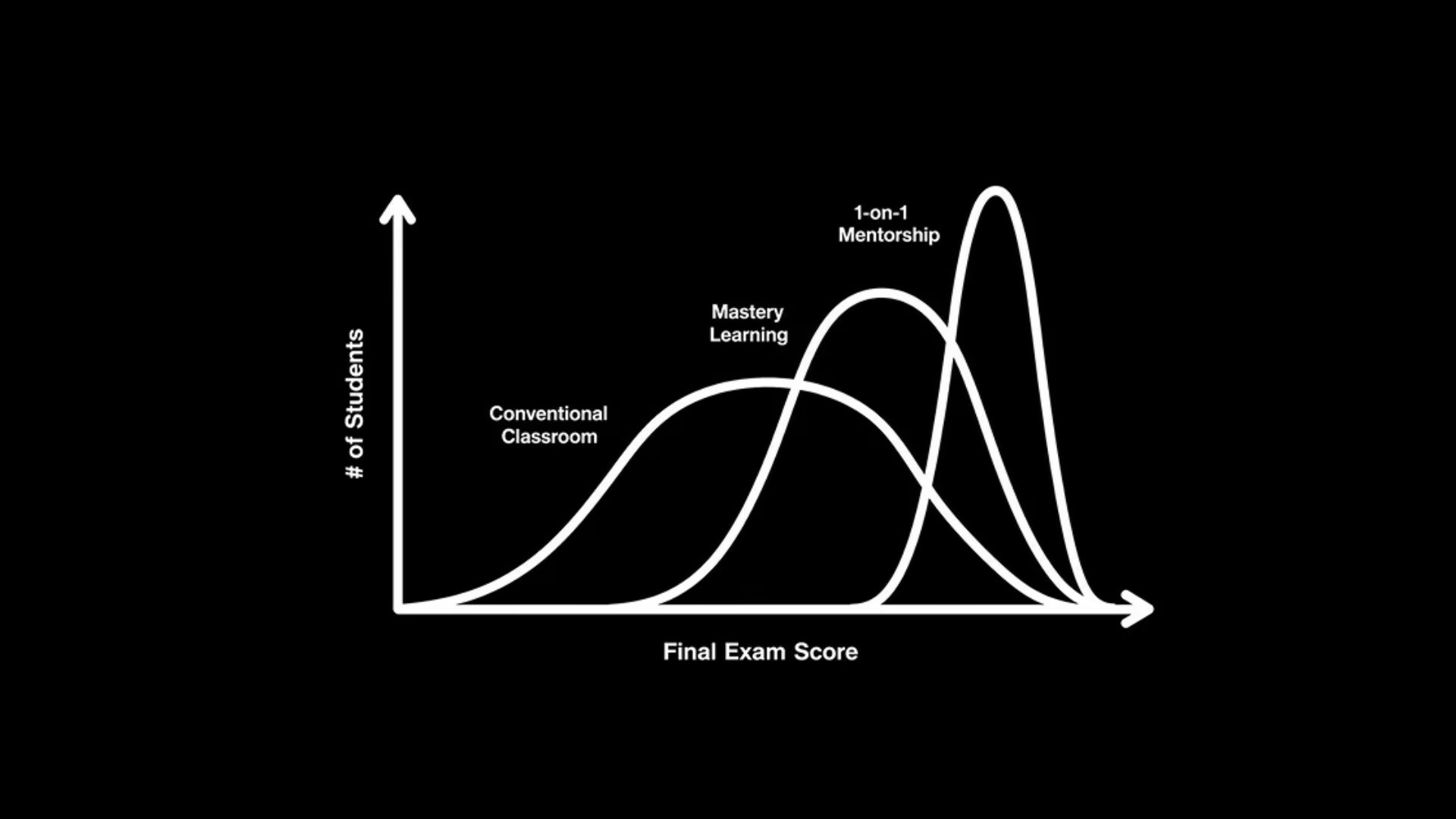
The value of an evergreen note does not come from the fact that it has existed for a long time. It comes from what happens to it during that time.
A note can become clearer. It can acquire supporting evidence. It can connect to another concept. It can expose an assumption that needs to be reconsidered. It can eventually contribute to an article, project, decision, presentation, or research question.
That is the compounding effect worth aiming for.
A conventional archive mostly preserves the past. An evergreen knowledge base can also participate in future thinking.
The difference is subtle but useful. Instead of asking only, “Where did I save that information?” the system encourages a better question: “What idea do I have here that is still worth developing?”
That is what makes an evergreen note useful. It is not a finished answer stored forever. It is a piece of thinking designed to remain available for another round of thought.