
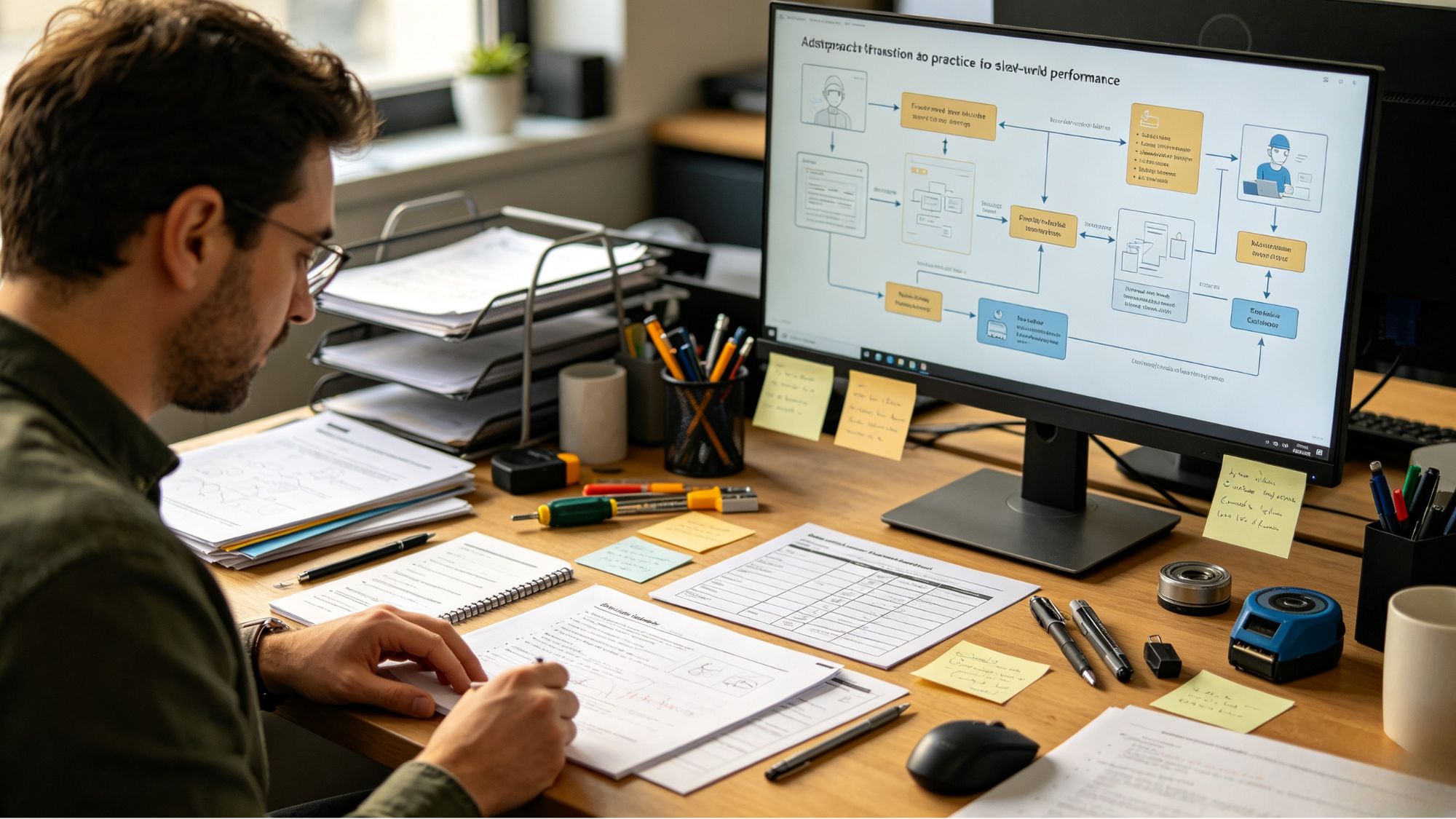
Many learners experience the same frustrating problem: they can perform a task successfully during training but struggle when facing the same challenge in a real situation. A procedure that feels familiar in a quiet classroom or controlled workspace suddenly becomes difficult when unexpected problems, time pressure, or distractions appear.
This gap exists because skills are often developed under conditions that are much simpler than reality. Effective training does not only require repeating actions; it requires designing practice environments that prepare people for the complexity, uncertainty, and pressure they will eventually encounter.
A comfortable training environment helps beginners learn basic skills, but it can also create an illusion of readiness. When people repeatedly practice under identical conditions, they may become highly familiar with that specific situation rather than developing flexible abilities.
For example, someone may practice giving presentations in a quiet room and feel confident with the material. However, speaking in front of a large audience, handling unexpected questions, or dealing with technical problems can create an entirely different challenge.
The issue is not that the learner lacks knowledge. Instead, the skill may be strongly connected to the original practice conditions. When the environment changes, the person must spend additional mental effort adapting, which can affect performance.
This is why effective training environments should include some elements of the real situations where skills will eventually be used. The goal is not to make practice unnecessarily difficult but to help learners build abilities that remain reliable when conditions change.
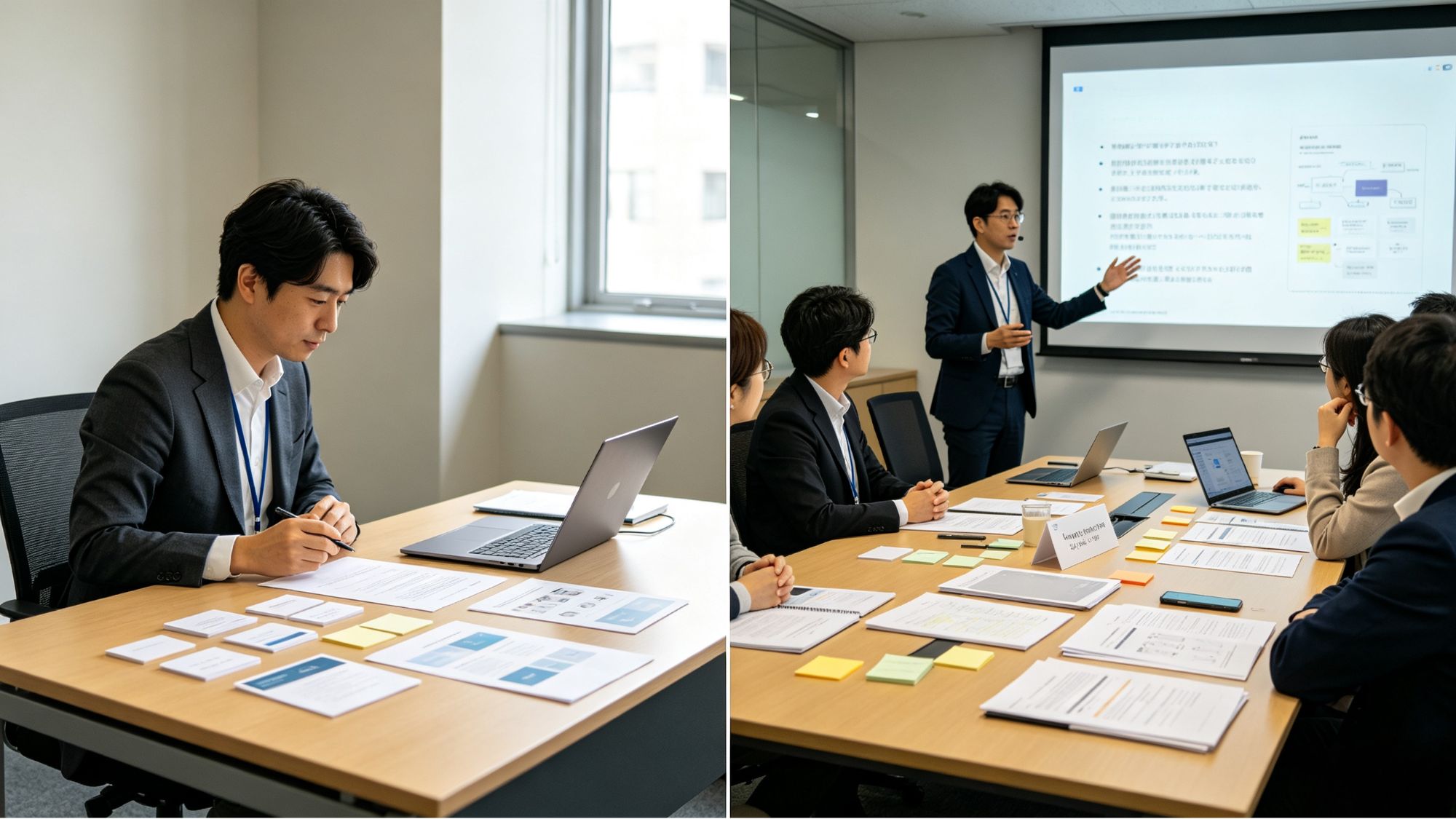
A common misunderstanding is that realistic training requires copying every detail of the real world. In practice, effective simulation focuses on the factors that actually influence performance.
Two elements are especially important: realistic task conditions and realistic mental demands.
Skills transfer more effectively when training includes the types of information, tools, and limitations people encounter in actual situations.
For example, a financial analyst preparing for market decisions should not only work with clean examples. Real work often involves incomplete information, changing conditions, and unclear priorities. Training that includes these challenges helps learners develop better judgment.
The same principle applies across different fields:
A software developer should practice handling realistic system problems rather than only writing isolated examples.
A medical trainee needs to consider changing conditions and unexpected situations rather than only following ideal procedures.
A project manager should practice making decisions when requirements change or information is incomplete.
Realistic practice does not mean creating unnecessary difficulty. It means including the factors that make real performance challenging.
Performance often changes when people experience pressure.
Time limits, interruptions, and competing demands can affect concentration and decision-making. Someone who performs well during calm practice may struggle when multiple problems appear at the same time.
Introducing controlled pressure during training can help learners develop stability.
Examples include:
Completing tasks within limited time frames
Practicing with unexpected interruptions
Handling multiple priorities at once
These conditions help people learn how to maintain performance when situations become less predictable.
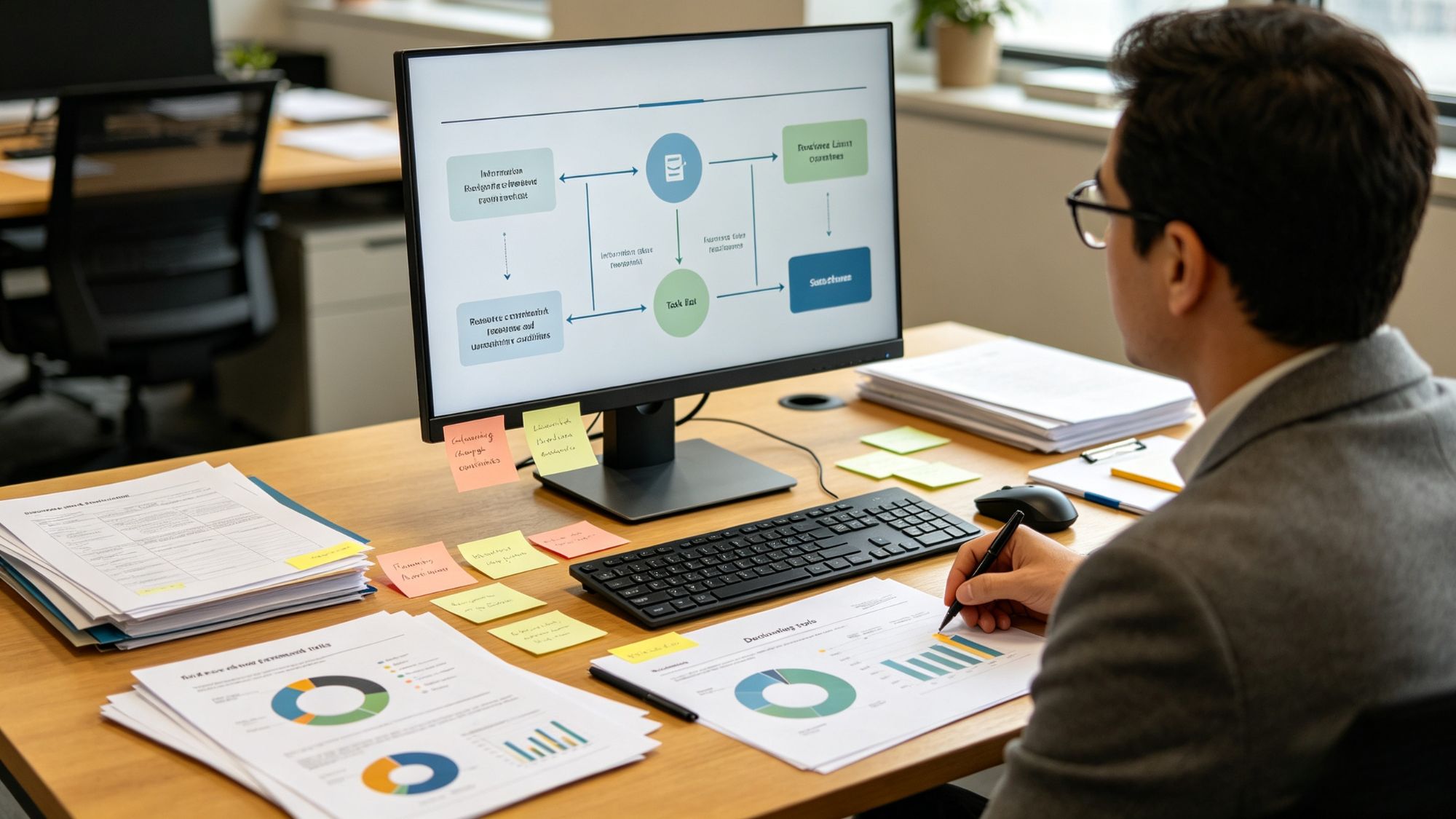
Repeating the same exercise in the same environment can make improvement appear faster because performance becomes more familiar. However, this type of practice may not always prepare learners for new situations.
A person who only practices one specific scenario may perform well in that scenario but struggle when conditions change.
A stronger approach is to introduce variation.
For example, an emergency response trainee should not always practice the same sequence in the same location. Changing the order of events, adjusting environmental conditions, or introducing different challenges forces learners to understand the underlying principles rather than simply memorizing a routine.
The same idea applies to everyday learning.
A language learner improves more effectively by practicing conversations with different topics and speaking styles rather than memorizing identical dialogues. A designer develops stronger problem-solving skills by working on different types of projects instead of repeating the same format.
Variation may make practice feel slower because mistakes become more noticeable. However, those challenges encourage deeper learning and better adaptability.
Creating a completely realistic practice environment is not always practical. Some situations involve high costs, safety concerns, or limited resources.
Instead of attempting perfect simulation, effective training systems often combine different levels of realism.
Technology allows learners to experience realistic situations without facing real-world consequences.
Examples include:
Software testing environments that simulate system failures
Virtual training platforms for complex procedures
Simulation tools that recreate workplace scenarios
These methods allow people to practice difficult situations repeatedly and safely.
Role-playing and scenario exercises are useful when skills involve communication and decision-making.
A manager can practice difficult conversations with simulated employees. A customer service worker can handle challenging interactions before facing them in real situations.
These exercises create emotional and cognitive challenges that traditional practice may not provide.
Effective training should match the learner’s current ability.
Beginners often need simple environments where they can understand basic skills. As competence improves, training conditions can become more complex by adding more variables, uncertainty, and pressure.
This gradual progression helps learners build confidence while preparing for real-world challenges.
Even well-intentioned training programs can create problems.
If training removes every difficulty, learners may become comfortable but fail to develop adaptability.
Practice should provide enough challenge to encourage growth without becoming overwhelming.
The opposite problem is introducing too many variables before basic skills are established.
A beginner facing a highly complex situation may focus on surviving the challenge rather than actually learning from it.
A learner’s ability should not be judged only by how well they perform in a controlled environment.
Good training evaluates whether skills remain effective when conditions change.
The purpose of practice is not simply to perform well during training. The real goal is to develop skills that remain useful across different situations.
Experts are not successful because they have experienced every possible scenario. They succeed because they can recognize patterns, adjust quickly, and apply their knowledge in unfamiliar environments.
Well-designed practice environments develop this ability by exposing learners to realistic challenges while providing opportunities to learn from mistakes.
A skill that only works under perfect conditions is incomplete. True mastery comes from building the ability to perform effectively when circumstances are uncertain, changing, and unpredictable.

Effective training is not about making practice identical to reality. It is about identifying the conditions that influence performance and designing learning environments that prepare people for them.
By introducing realistic challenges, varying practice conditions, and gradually increasing complexity, learners can build skills that transfer beyond the training environment.
The strongest abilities are not developed in perfect conditions. They are developed through practice that prepares the mind to adapt when reality becomes more complicated.