
A course can contain excellent lectures, polished videos, and well-designed quizzes and still feel strangely disconnected. One lesson covers a concept, the next introduces something new, and a few weeks later students are expected to combine everything on their own. The individual pieces may be good. The sequence is the problem.
Curriculum architecture addresses that problem by looking at education as a connected pathway rather than a collection of lessons. It asks how knowledge and skills should develop over time, which ideas need to come first, where learners should practice before moving on, and how different parts of a program fit together. The aim is not simply to arrange content in a particular order. It is to give learners a sensible route from what they already know toward what they are expected to master.
A conventional syllabus can look like a checklist: Week 1 covers Topic A, Week 2 covers Topic B, and several weeks later the course reaches Topic G. That structure is easy to produce and easy to read, but it does not necessarily show learners how the topics connect.
The missing piece is often the relationship between concepts.
Learning rarely happens by collecting isolated facts. New information becomes easier to use when learners can connect it to knowledge they already have and recognize where it fits within a larger mental framework. When those connections are missing, students may spend valuable mental effort working out how the pieces relate instead of concentrating on the subject itself.
A well-structured curriculum therefore makes important relationships visible. It identifies prerequisites, introduces concepts in a sensible progression, provides opportunities to practice them, and returns to earlier ideas when new knowledge gives those ideas greater meaning.
That does not mean every course must follow a strict straight line. Some subjects have parallel strands, optional units, or multiple entry points. The important thing is that the pathway makes sense for the learning goals.
Putting topics in chronological order is not the same as designing a learning sequence. Good curriculum architecture considers what learners need before they can handle the next level of complexity.
Many skills depend on earlier knowledge.
A programming course, for example, may introduce variables and conditional logic before asking students to work with more complex object-oriented structures. A statistics course may establish basic probability concepts before introducing confidence intervals or hypothesis testing.
The exact sequence will vary by subject, but the planning question stays the same: What must learners already know or be able to do for the next task to be reasonable?
Making these dependencies explicit can reveal problems that a topic-by-topic syllabus hides. If a later assignment requires a skill that was never taught or practiced, the issue is structural rather than simply a matter of student effort.
Prerequisites do not always have to appear as separate courses or units. A short review, diagnostic activity, prerequisite module, or guided example may be enough to provide the missing foundation.
Jerome Bruner's idea of a spiral curriculum is often associated with revisiting important concepts as learners progress.
The point is not to repeat the same lesson several times. A useful spiral brings an idea back in a different context or at a greater level of complexity. A concept might first appear through a concrete example, return later as a formal principle, and eventually become part of a more demanding problem or project.
Consider scientific modeling. Beginners might encounter the idea through a simple classroom example. Later, they could compare different models and examine their assumptions. At a more advanced stage, they might construct or critique a model themselves.
The concept has not simply been repeated. Each encounter adds something.
This approach can be useful when an idea is too important or too complex to master in a single exposure.
Abstract explanations can be difficult when learners have nothing familiar to attach them to.
For that reason, some courses begin with examples, demonstrations, simulations, cases, or observable situations before introducing formal terminology or mathematical representations. The concrete material gives learners something to think about while the abstract framework is being introduced.
A mathematics instructor might begin with a practical problem before presenting the general equation. A business course might examine a real decision before introducing the formal model used to analyze it.
The approach is not universal. Advanced learners may already have enough background to begin with abstraction. The key is matching the sequence to the learner's existing knowledge rather than assuming every group needs the same starting point.
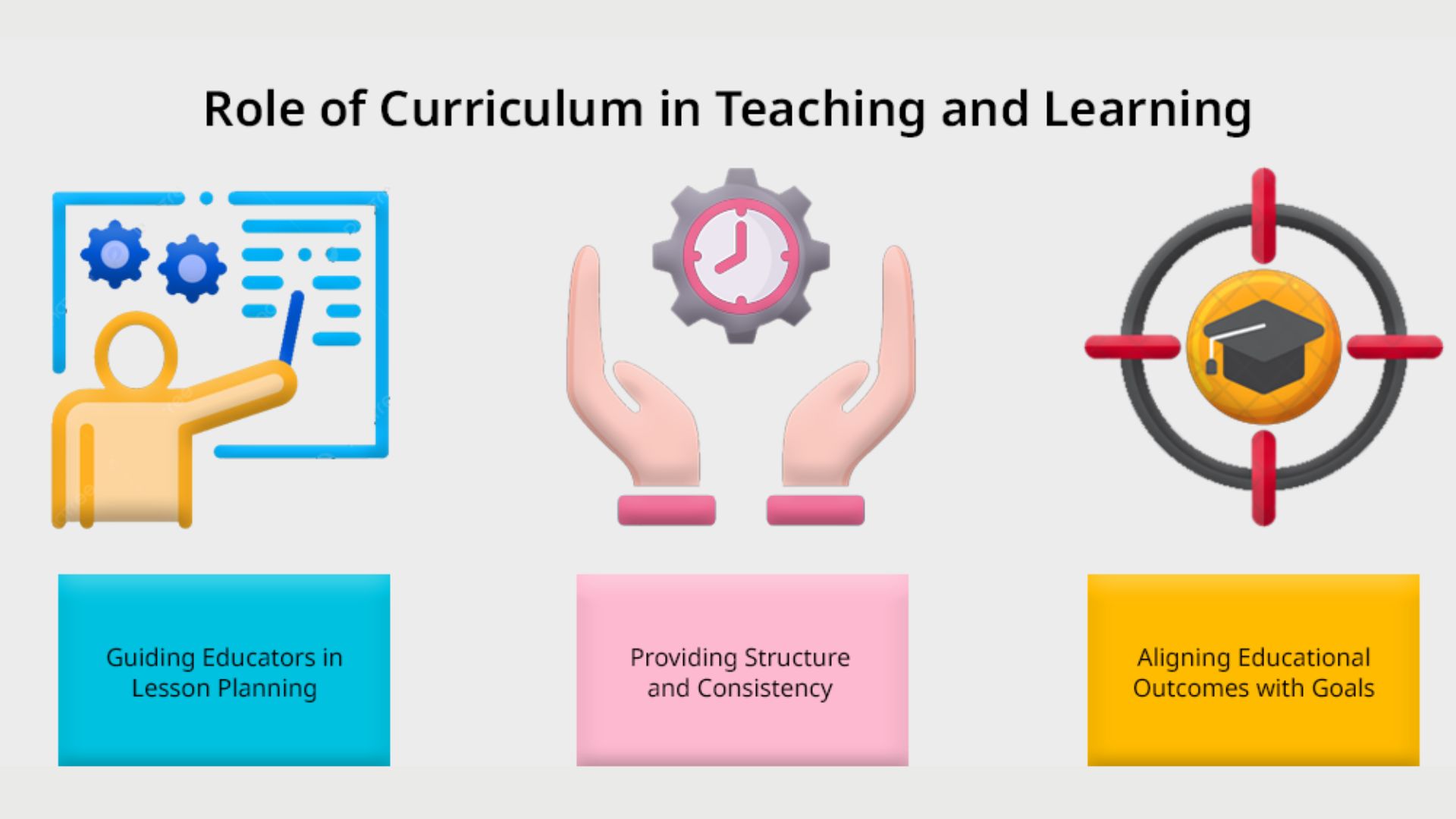
Curriculum architecture works at more than one level. At the broadest level, it concerns the structure of an entire program.
A degree program, professional certification, or extended training pathway may contain dozens of courses or modules. At this scale, curriculum designers need to consider the relationships among major learning experiences.
Some courses may establish foundational knowledge. Others may build specialized skills. Later experiences may require learners to combine what they have developed earlier.
Gateway courses can serve as important transition points because they provide evidence that learners are ready for more advanced work. Capstone experiences can play a similar role by asking learners to integrate knowledge and skills from several parts of the program.
A strong program structure also considers specialization. Once learners have developed a common foundation, they may branch into different areas without abandoning the core competencies shared across the program.
The goal is not to force every learner through an identical route. It is to make sure that different routes still lead to meaningful and clearly defined outcomes.
The same thinking applies inside a single course or module.
A self-paced module might begin with a short introduction, move into an explanation or demonstration, give learners an opportunity to practice, and finish with a check for understanding or reflection.
That sequence is not mandatory, but consistency can reduce unnecessary navigation problems. If every module uses a completely different structure, learners have to spend time figuring out where to find instructions, practice activities, and assessments.
A familiar pattern can make those logistics less demanding.
At the same time, consistency should not become monotony. A laboratory lesson, a writing workshop, and a case-based business exercise may need very different structures. Curriculum architecture provides the framework for deciding what belongs where; it does not require every lesson to look identical.
Even experienced educators can create learning pathways with hidden gaps or unnecessary repetition.
Subject-matter experts often have years of experience in their field. What feels obvious to them may be completely new to a beginner.
An instructor might move quickly through terminology, assume familiarity with prerequisite concepts, or introduce an advanced application before students have developed the underlying skill.
One useful response is to map the knowledge required for each major task from the learner's perspective. Diagnostic assessments can also reveal whether students actually possess the assumed background.
Large programs are often built by multiple instructors or design teams. Each person may create an excellent module while still producing a weak overall sequence.
For example, Module 1 may introduce a concept, Module 2 may explain it again from scratch, and Module 4 may assume a related skill that no earlier module explicitly taught.
Regular curriculum mapping can expose these gaps and overlaps. Designers can compare learning outcomes, prerequisite skills, assessments, and major concepts across modules rather than reviewing each unit in isolation.
A pathway can also become difficult when the workload changes dramatically from one section to the next.
Imagine three weeks of relatively light reading followed by a module that suddenly requires extensive statistical analysis, several long assignments, and a major assessment. Even if the content itself is appropriate, the sudden increase in cognitive and time demands can make the transition harder for learners.
Mapping workload alongside content helps designers spot these bottlenecks before the course is delivered.
A well-designed curriculum needs structure, but structure should not become rigidity.
Learners enter courses with different backgrounds. Some may already understand foundational material, while others may need additional practice. A single fixed sequence may not serve both groups equally well.
Diagnostic assessments can provide a starting point. Learners who demonstrate sufficient competence may be able to move past introductory material, while those who need reinforcement can access prerequisite resources.
Branching options can also create flexibility. A common core might lead to several specialization routes, each with its own sequence of advanced topics. Elective modules can provide additional choice without weakening the essential competencies shared across the program.
The challenge is finding the balance. Too little structure leaves learners wondering what comes next. Too much structure can prevent them from using prior knowledge or pursuing relevant interests.
Good architecture provides a reliable framework while leaving room for sensible variation.
One of the easiest mistakes is to treat curriculum architecture as a matter of deciding which chapter comes first.
The deeper question is how learning develops.
A topic may need to appear before another because it supplies prerequisite knowledge. An earlier concept may need to return later because learners can understand it more deeply after gaining additional experience. A practical task may need to precede a formal explanation, or the reverse may be more appropriate for a particular group.
The best sequence depends on the subject, the learners, and the intended outcomes.
This is also why curriculum architecture should be reviewed rather than designed once and forgotten. Student performance, assessment results, instructor observations, and changes in program goals can reveal weaknesses in the original pathway.
If learners repeatedly struggle at the same transition point, the answer may not be another reminder or additional assignment. The sequence itself may need adjustment.
A useful curriculum map can begin with four questions.
What should learners be able to do at the end?
This establishes the destination.
What knowledge and skills are required to get there?
This reveals prerequisites and dependencies.
Where will learners practice those skills?
This identifies the instructional experiences needed along the way.
What evidence shows that they are ready to move forward?
This connects the sequence to assessment and progression.
Once these elements are mapped, designers can look for gaps. Is an advanced skill introduced before its prerequisites? Does a major assessment require something learners have barely practiced? Is the same concept taught repeatedly without increasing complexity? Does one module carry an unusually heavy workload?
These questions turn curriculum mapping into a practical design exercise rather than a purely theoretical one.
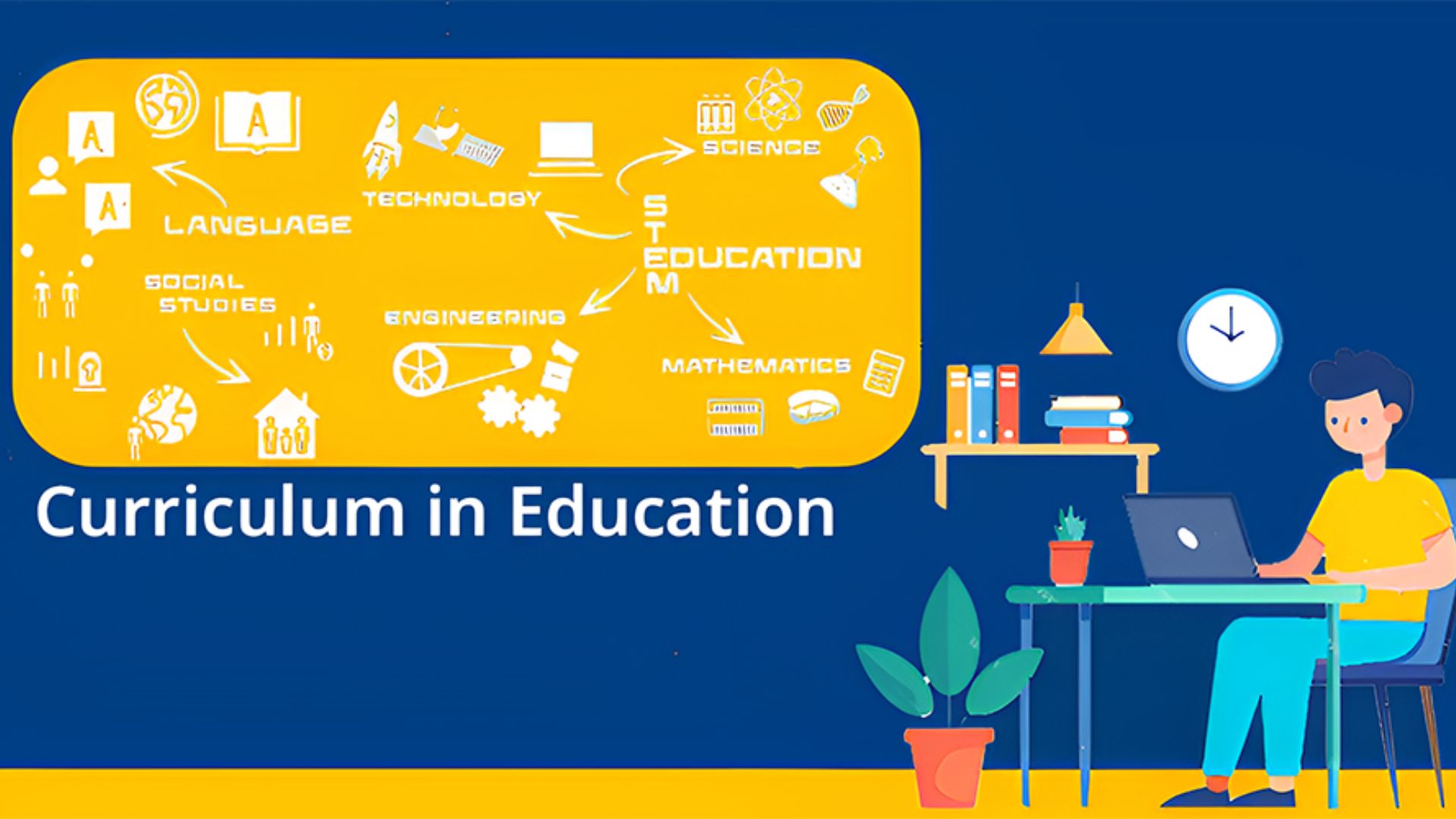
Curriculum architecture gives educational programs a structure that individual lessons cannot provide on their own. It connects concepts, skills, practice, and assessment across time so that learners can see where they are going and why each stage matters.
The strongest pathways are not necessarily the most rigid ones. They establish useful prerequisites, revisit important ideas when deeper understanding becomes possible, and provide enough flexibility to accommodate different starting points.
Whether the setting is a university program, a professional certification course, or a short training sequence, the basic design question remains the same: What needs to happen before learners can successfully do what comes next?
Answer that question carefully, and the syllabus stops being a list of topics. It becomes a pathway.