
Many digital publishing teams spend months meticulously engineering an online course, only to watch it decay within two years because underlying software APIs changed, case studies became obsolete, and a complete absence of version control triggered mounting customer complaints and brand erosion. Creating an online training program or educational resource represents a massive investment in pedagogical research, media production, and technical architecture, but publishing day is merely the starting line.
Long-term success in digital publishing depends entirely on treating educational content as an evolving, living asset rather than a static file package that is uploaded once and forgotten. Protecting intellectual property, auditing third-party licenses, establishing rigorous maintenance cycles, and executing strategic lifecycle planning are essential steps to preserve educational value and eliminate operational liabilities.

Copyright is the foundational legal shield for any digital learning material, yet creators frequently misunderstand how ownership is established and enforced. In the United States, original works of authorship receive automatic copyright protection the moment they are fixed in a tangible medium of expression, according to the U.S. Copyright Office. This automatic protection extends across written instructional transcripts, high-definition video modules, custom illustrations, slide decks, practical workbooks, and automated assessments. However, legal ownership is rarely straightforward when multiple contributors collaborate on a single curriculum.
Organizations launching professional training products often discover that failing to secure explicit work-for-hire agreements with freelance video editors, instructional designers, or subject-matter experts creates catastrophic ambiguity regarding who holds the legal right to distribute, modify, or monetize the final assets. Establishing comprehensive contributor agreements, precise licensing terms, and meticulous asset provenance records early in the production pipeline ensures that intellectual property remains secure as the digital product scales.
Digital educational products routinely incorporate external resources—such as stock photography, academic research citations, software interface screenshots, video clips, commercial fonts, and open-source code snippets—which introduces significant legal exposure if licensing parameters are ignored. A pervasive misconception in digital publishing is that educational or non-profit use automatically grants blanket immunity under copyright law.
While U.S. copyright law includes the doctrine of fair use, determining whether a specific usage qualifies requires a complex judicial balancing test evaluating the purpose of use, the nature of the copyrighted work, the amount used, and the economic impact on the potential market. Because relying on fair use litigation is inherently risky, sophisticated publishers either procure commercial licenses or utilize standardized open-access frameworks such as Creative Commons permissions. Maintaining a centralized digital asset management log that records original creators, precise license types, geographic restrictions, mandatory attribution text, and expiration dates prevents accidental copyright infringement and protects the publishing brand from unexpected legal penalties.

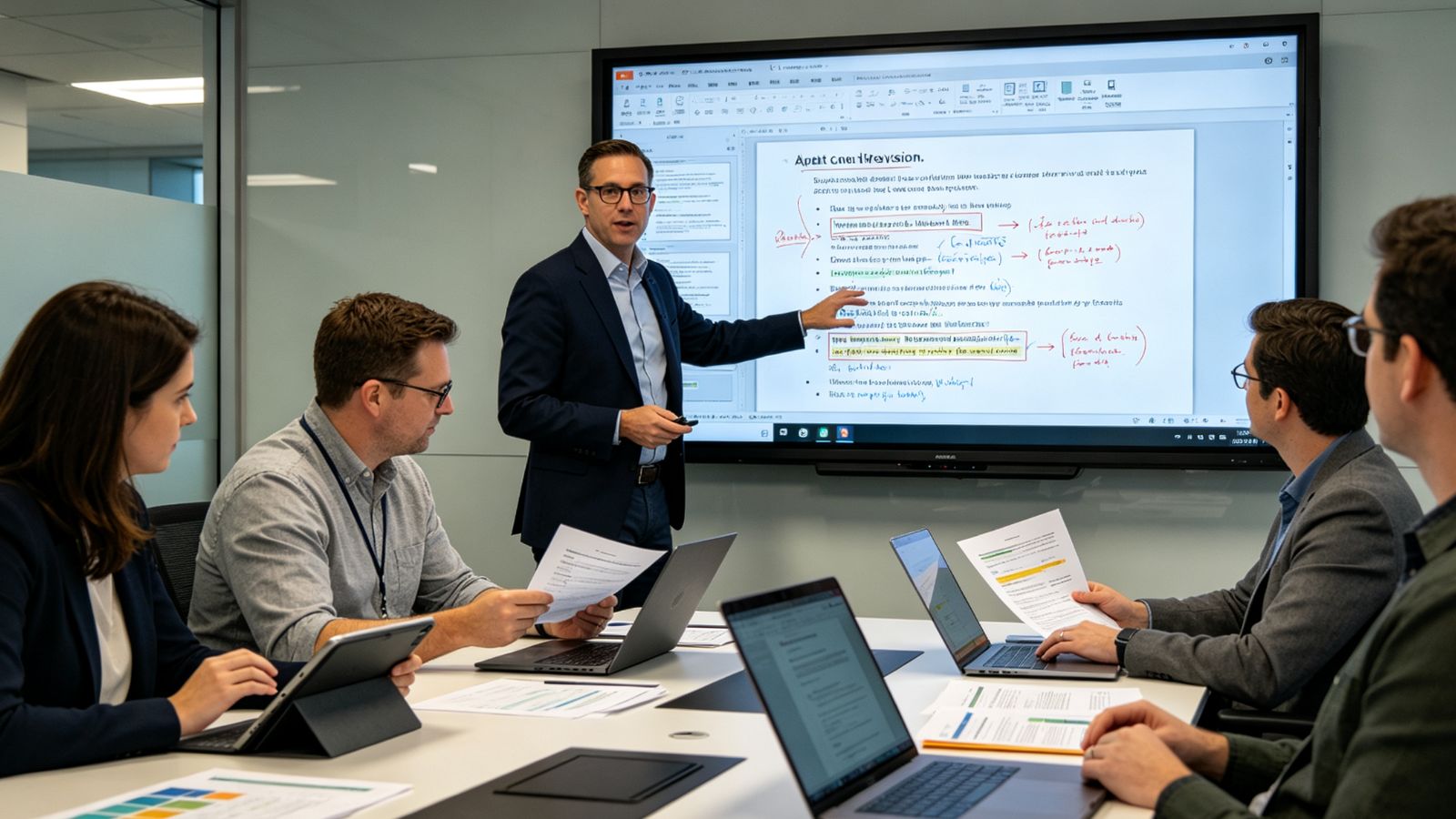
Educational content suffers from inevitable entropy due to shifting industry standards, software UI redesigns, emerging empirical research, and evolving regulatory frameworks. A course that is technically accurate at launch can quickly become misleading or frustrating if its core demonstrations rely on deprecated software menus or outdated case studies. Relying on customer complaints to trigger content updates is a reactive and damaging strategy; instead, digital publishers must institute proactive, scheduled review cycles tailored to the specific volatility of the subject matter.
Technical training products require rapid quarterly audits because platforms and programming environments change continuously, whereas foundational concepts in leadership or communication demand less frequent but still rigorous annual evaluations. By integrating systematic checks for broken hyperlinks, expired software screenshots, accessibility compliance, and learner confusion points, publishers transform maintenance from an emergency chore into a predictable quality-assurance engine that continuously elevates the student experience.
Every digital educational asset progresses through a predictable evolutionary lifecycle spanning initial development, launch, rapid growth, long-term maintenance, and eventual restructuring or strategic retirement. Treating an online course as an ongoing product rather than a static project allows publishers to allocate resources efficiently based on real-world market performance. During the growth phase, creators can expand modular depth, upgrade assessment engines, and introduce supplemental case studies to satisfy surging demand, whereas the maintenance phase prioritizes technical stability and usability audits.
Eventually, when a subject matter undergoes paradigm shifts or core software technologies become entirely obsolete, minor patches are insufficient, necessitating a complete product redevelopment. Knowing when to gracefully retire a legacy course prevents unnecessary hosting costs, protects organizational credibility, and directs capital toward high-impact modern curriculum development.
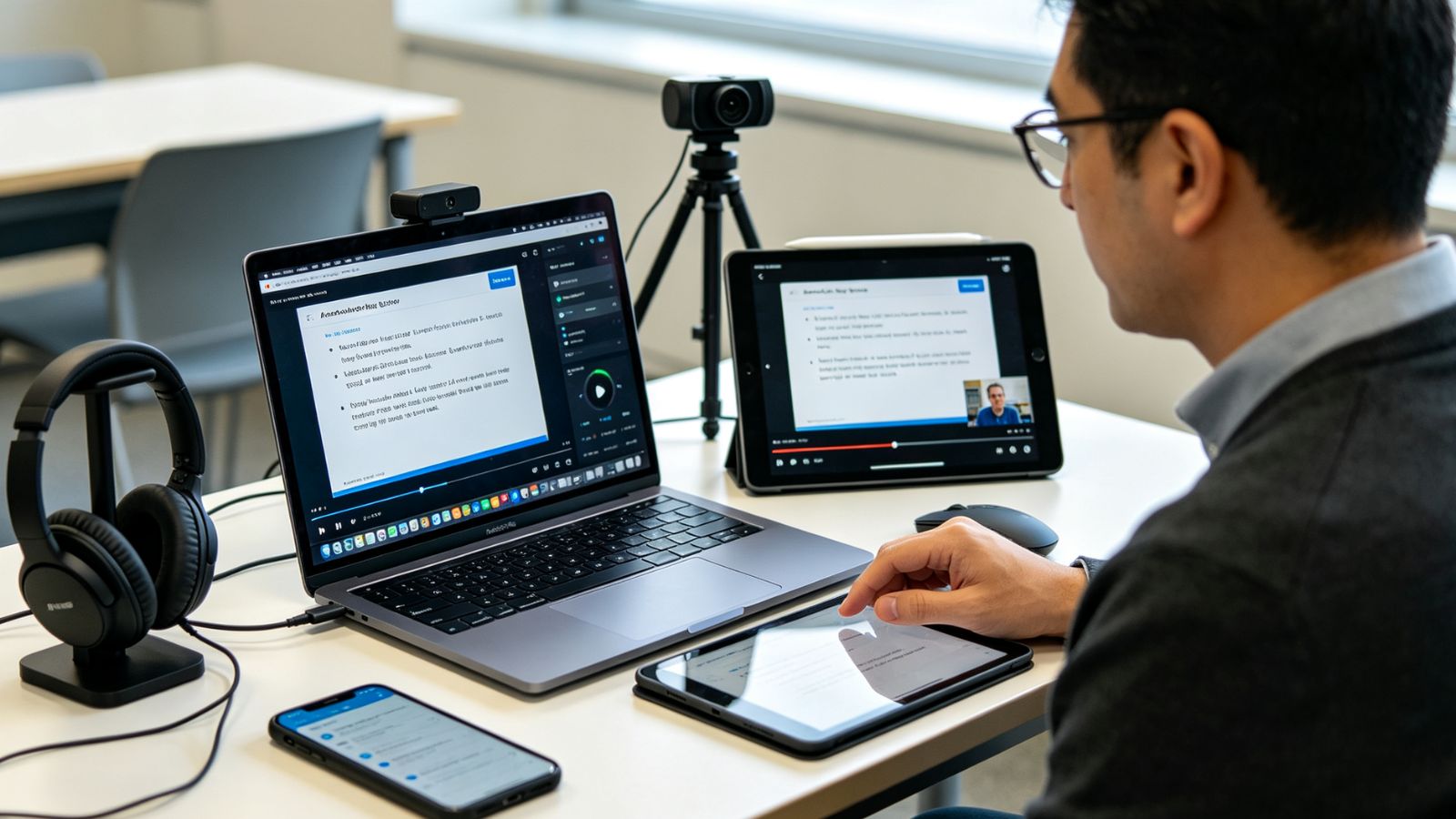
Managing digital educational products across distributed teams of instructors, developers, and administrators requires robust version control protocols and meticulous internal documentation. Without a centralized tracking system, teams inevitably distribute conflicting file versions, lose track of historical edits, and struggle to diagnose reported bugs. Implementing a structured versioning protocol that logs update dates, revision rationales, modified file paths, and assigned contributors ensures seamless quality assurance and rapid troubleshooting. Simultaneously, long-term educational products must evolve to meet modern accessibility standards, ensuring that course interfaces, video closed captions, downloadable transcripts, and navigational structures remain fully compliant with the Web Content Accessibility Guidelines. By combining rigorous version control with ongoing technical and accessibility maintenance, digital publishers safeguard their intellectual assets, maintain unwavering audience trust, and maximize the operational lifespan of their educational investments.