
Learning is often described as the process of gaining knowledge through study, practice, and experience. Yet learning outcomes are not determined only by the quality of instruction or the amount of time spent studying. The way people interpret information, evaluate their own abilities, and decide whether they understand something also plays a major role.
Cognitive biases are predictable patterns of thinking that influence judgment and decision-making. In education, these biases can affect how students study, how teachers evaluate progress, and how learning environments are designed. A student may mistake familiarity with a topic for mastery, interpret easy-to-process information as deeper understanding, or overestimate their readiness because confidence is not always based on accurate evidence.
Three cognitive biases are especially relevant to education: familiarity, processing fluency, and overconfidence. These biases do not mean learners are irrational or incapable of improvement. They reflect normal features of human cognition. The challenge is that they can create a gap between how well someone believes they understand material and how well they can actually apply it.
Understanding this gap is essential because effective learning depends not only on acquiring information but also on accurately monitoring what has been learned.
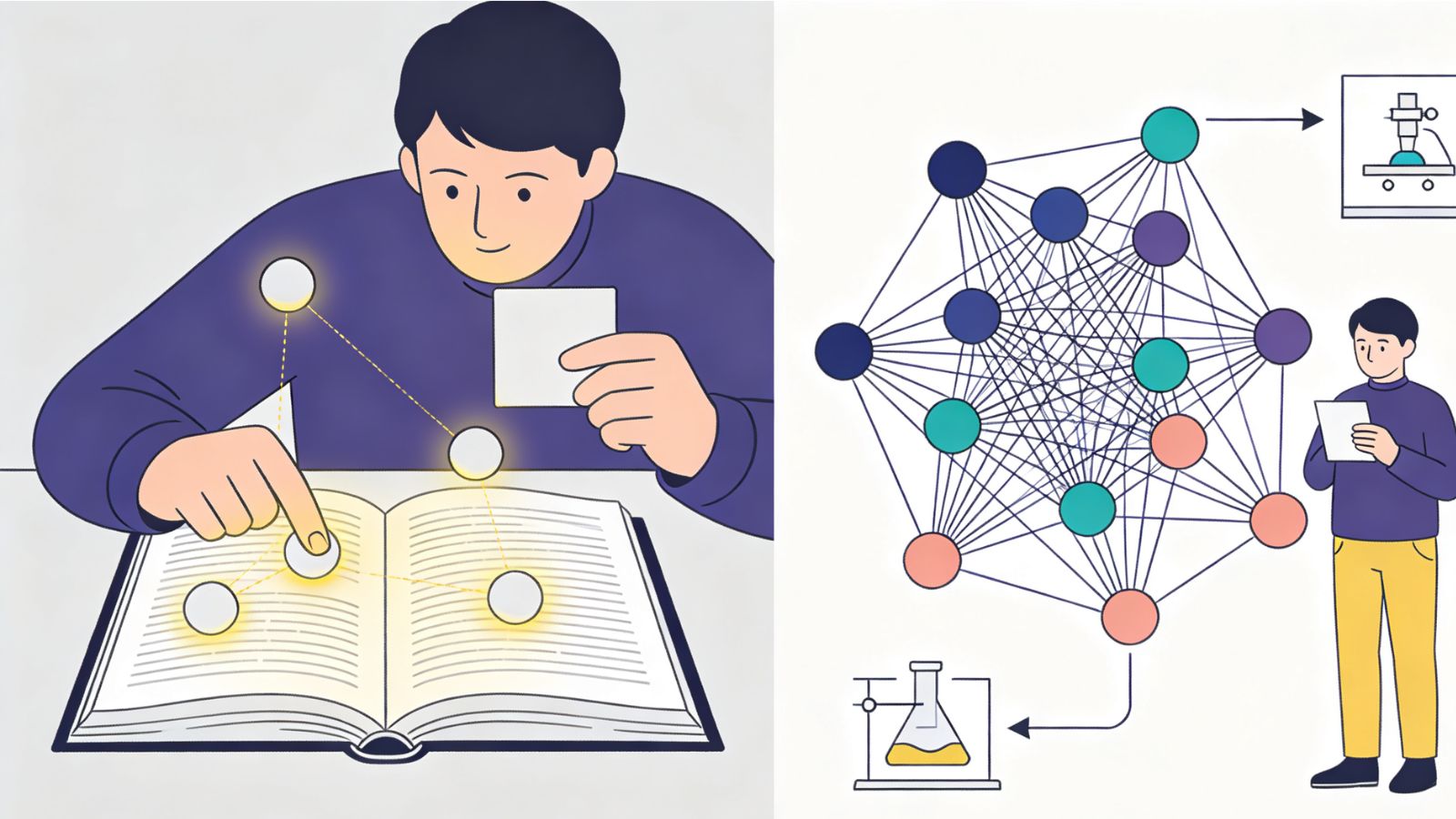
Repeated exposure is one of the most common reasons students develop confidence in their understanding. When learners encounter the same concept, vocabulary, or example multiple times, the information becomes easier for the brain to recognize. This sense of familiarity can feel like progress, but recognition alone does not prove that meaningful learning has occurred.
A student reviewing a textbook chapter several times may feel increasingly comfortable with the material because the sentences, diagrams, and key terms become recognizable. However, when asked to explain the concept without the textbook or apply it to a new problem, the student may discover that their understanding is incomplete.
This distinction between recognition and retrieval is central to learning science. Cognitive psychologists have found that actively recalling information from memory strengthens long-term retention more effectively than simply reviewing the same material repeatedly. Retrieval practice—such as answering questions without notes, explaining a concept from memory, or completing practice problems—requires the brain to reconstruct knowledge rather than simply identify information.
Research by Jeffrey Karpicke and Henry Roediger demonstrated that retrieving information from memory can significantly improve long-term retention compared with repeated studying alone. Their work contributed to a broader understanding of why testing can function as a learning strategy rather than merely a method of evaluation.
Familiarity bias can influence teachers as well. Educators who explain the same topic many times may assume that students understand it because the explanation appears clear from the instructor’s perspective. However, experts often have difficulty recognizing the challenges faced by beginners because they already possess background knowledge that students are still developing.
Reducing familiarity bias requires learning activities that reveal actual understanding. Students benefit from summarizing ideas in their own words, applying concepts in unfamiliar situations, and receiving feedback on mistakes. These approaches provide stronger evidence of learning than simply recognizing information during review.
Processing fluency describes the ease with which people mentally process information. Material that is clear, organized, and easy to understand often feels more convincing because the brain can handle it with less effort. In education, this can support learning, but it can also create inaccurate judgments about comprehension.
Clear explanations, well-designed lessons, and readable textbooks are valuable because they reduce unnecessary cognitive load. However, ease of processing does not automatically mean that a learner has developed a deep understanding.
A common example occurs when students watch an instructor solve a difficult problem. Because the steps appear logical when presented by someone else, the solution may seem obvious. The student may leave the lesson believing they can complete a similar task independently. When they later encounter a new problem without guidance, they may struggle because they observed the reasoning process but did not practice producing it themselves.
This difference between following an explanation and generating an explanation is one reason active learning methods are widely used in education. Writing a solution, explaining reasoning, discussing concepts with others, and solving problems independently create more demanding learning experiences. The additional effort helps reveal weaknesses and strengthens the ability to use knowledge flexibly.
Processing fluency also affects how students judge reading comprehension. A smooth reading experience can create confidence, but understanding a text involves more than following sentences. Deeper comprehension requires evaluating arguments, connecting ideas, identifying assumptions, and applying information beyond the original context.
For educators, the goal is not to make learning unnecessarily difficult. Poorly designed materials can create confusion rather than meaningful challenge. Instead, effective instruction combines clarity with appropriate difficulty. Cognitive psychologist Robert Bjork introduced the idea of “desirable difficulties” to describe learning conditions that may feel harder during practice but improve long-term retention and transfer.
Confidence is an important part of learning. Students who believe they can improve are often more willing to persist through challenges. However, confidence becomes a problem when it is disconnected from evidence.
Overconfidence occurs when people judge their knowledge, skills, or performance more positively than objective results support. In education, this can affect study decisions. A student who feels prepared may stop practicing too early, underestimate the difficulty of an exam, or avoid reviewing areas where their understanding remains weak.
One reason overconfidence occurs is that people often rely on internal feelings to evaluate learning. Familiar notes, completed assignments, or successful examples can create a sense of competence. Yet these experiences may not reveal whether knowledge can be recalled and applied independently.
The relationship between confidence and ability has been widely studied in psychology. The Dunning-Kruger effect, introduced by researchers David Dunning and Justin Kruger, describes how people with limited knowledge in a particular area may have difficulty accurately evaluating their own performance. The effect does not mean that people with less knowledge are always overconfident. Instead, it highlights the importance of feedback and accurate self-assessment.
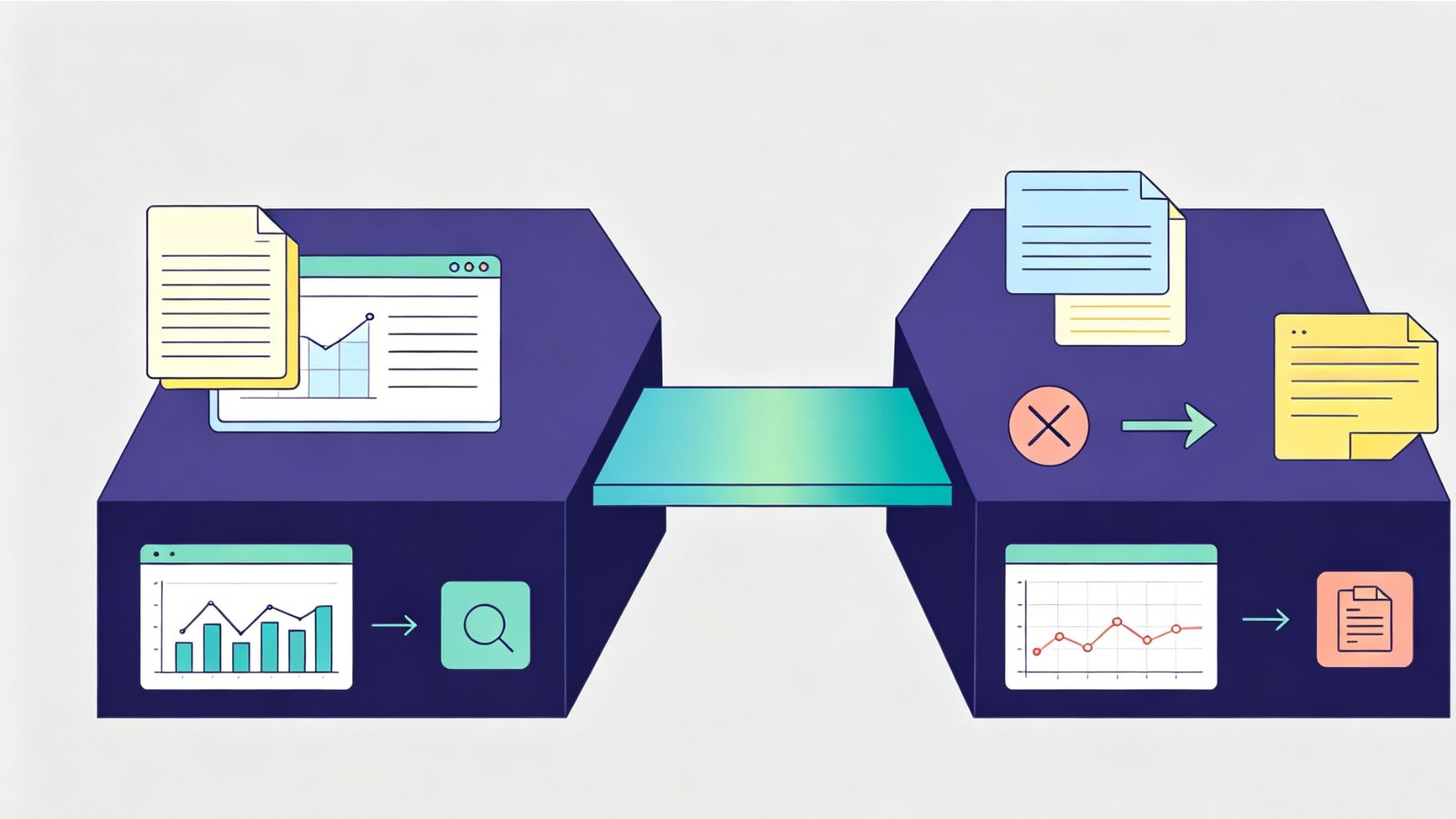
Consider a college student preparing for a biology examination. During study sessions, the student repeatedly highlights textbook sections, reviews lecture slides, and recognizes important terms. Because the material feels familiar, the student predicts a strong exam performance and reduces study time.
During the exam, however, many questions require applying concepts to unfamiliar situations rather than identifying definitions. The student realizes that recognizing information was easier than explaining relationships between ideas. The problem was not a lack of effort but an inaccurate judgment about the depth of understanding.
This type of situation demonstrates why effective studying requires evidence-based evaluation. Practice questions, self-testing, and explaining concepts without reference materials provide a more realistic measure of readiness than confidence alone.
Schools can reduce overconfidence by creating more opportunities for feedback. Practice exams, detailed instructor comments, peer explanations, and opportunities to revise work help students compare their expectations with actual performance.
Teachers must also consider their own assumptions. Classroom participation, positive reactions, or completed homework may not always indicate deep understanding. Some students can appear confident while holding misconceptions, while others may understand concepts but be less comfortable expressing their ideas publicly.
Accurate assessment requires multiple forms of evidence rather than relying on a single signal.
The ability to evaluate one’s own thinking is known as metacognition. It plays an important role in reducing the influence of cognitive biases because it encourages learners to examine assumptions, monitor progress, and adjust strategies.
Students with stronger metacognitive skills are more likely to ask useful questions:
Can I explain this concept without looking at my notes?
Can I apply this knowledge to a different situation?
What mistakes am I repeatedly making?
Which study method is actually helping me improve?
These questions shift learning from passive exposure toward active self-monitoring.
Metacognition is particularly important in modern education because students increasingly learn through independent study, online resources, and digital tools. Access to information does not automatically create understanding. Learners must still evaluate whether they truly comprehend and can use what they have encountered.
Developing metacognitive skills takes practice. Reflection after assignments, analyzing incorrect answers, setting specific learning goals, and comparing predicted performance with actual results can help students become more accurate judges of their own learning.
Cognitive biases cannot be completely removed because they are part of normal human thinking. The purpose of education is not to create learners who never make inaccurate judgments, but to develop systems that help people recognize and correct those judgments.
A strong learning environment does more than provide information. It encourages students to test their understanding, receive meaningful feedback, and experience productive challenges. It also helps teachers evaluate learning based on evidence rather than impressions.
These principles extend beyond traditional classrooms. In professional training, workplace learning, and lifelong education, people continue to face the same cognitive challenges. A person who believes they already understand a subject may stop improving, while someone who accurately recognizes gaps in knowledge is more likely to continue developing new skills.
The most effective learners are not necessarily those who feel confident all the time. They are often those who can balance confidence with curiosity and recognize that improvement depends on accurate self-evaluation.
Familiarity, processing fluency, and overconfidence can quietly influence how students and educators judge learning progress. Material that feels familiar may not be deeply understood, information that feels easy may not be fully mastered, and confidence may not always reflect actual ability.
Recognizing these cognitive biases allows education to move beyond simple information delivery toward more effective learning practices. By emphasizing retrieval, feedback, active problem-solving, and metacognitive awareness, students can develop a more accurate understanding of what they know and how they can continue to improve.