
Technical education has historically depended on physical laboratories, specialized hardware, and heavily supervised hands-on practice. While those tangible resources remain indispensable for mastering complex physical disciplines, they inherently restrict when, where, and how frequently students can safely experiment. Virtual laboratories fundamentally reshape this pedagogical equation by empowering learners to interact with simulated equipment, computational experiments, instruments, and technical environments directly through a digital device. Furthermore, advanced simulation environments transcend the physical boundaries of conventional classrooms by modeling complex industrial, chemical, or biological processes that would otherwise be prohibitively expensive, hazardous, or impractical to reproduce repeatedly.
The true educational value of virtual laboratories extends far beyond the mere convenience of remote accessibility. A meticulously designed simulation allows a student to execute an experimental procedure, isolate and modify a single variable, instantly observe the resulting systemic consequences, and iterate the entire process without consuming expensive physical reagents or waiting for shared laboratory availability. For instance, an engineering undergraduate can stress-test how a complex circuit responds to fluctuating voltage parameters, while a science major can manipulate environmental conditions and analyze resulting empirical measurements. Rigorous educational research investigating simulation-based learning consistently demonstrates profound cognitive benefits when digital simulations are deliberately integrated with structured instruction rather than treated as automatic substitutes for human teaching.
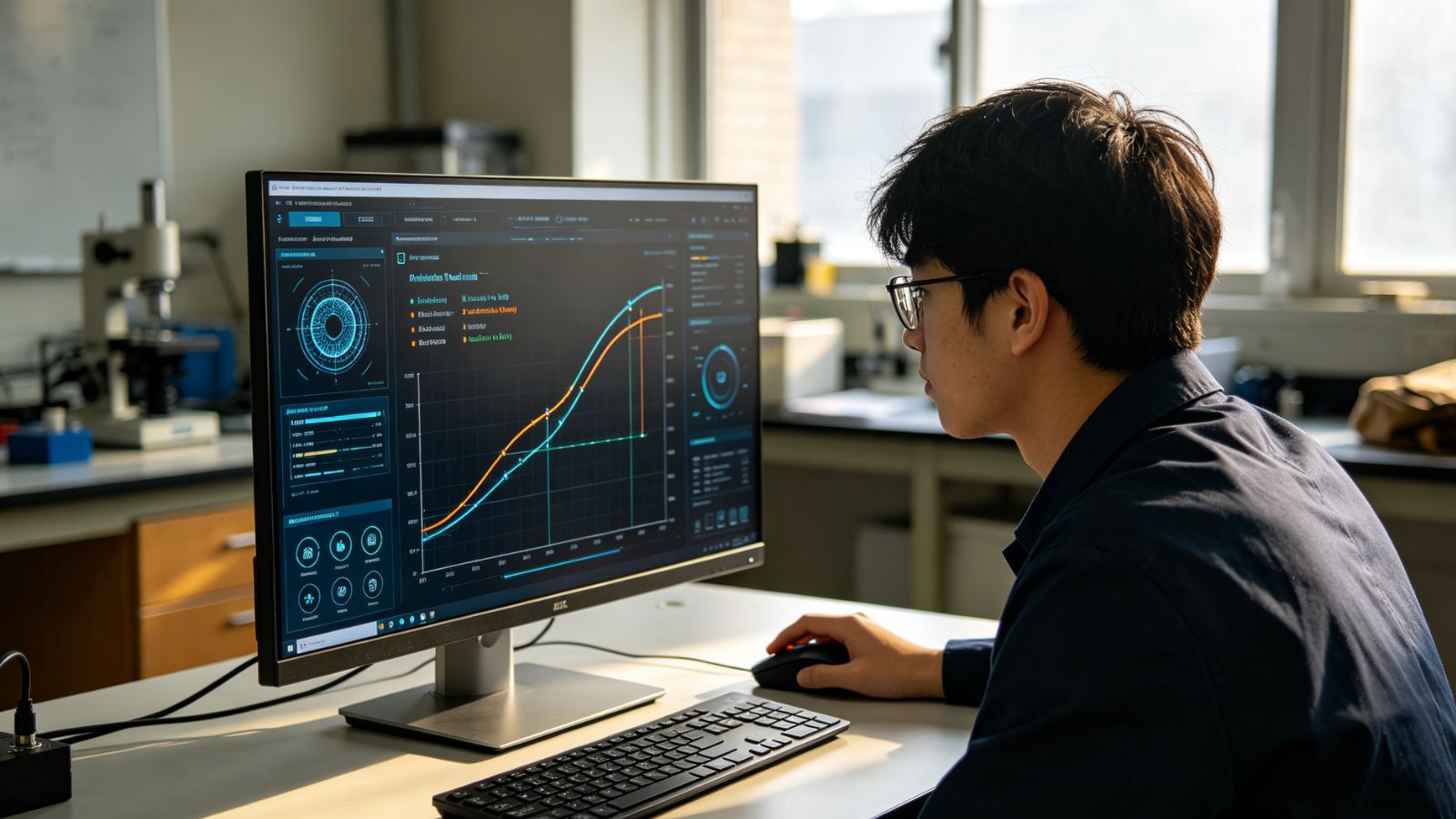
While geographical accessibility is the most immediately obvious benefit of virtual laboratories, the systemic expansion of access operates on multiple operational levels. Distance-learning participants can complete required experimental coursework without physically relocating to a centralized university campus, while students enrolled at resource-constrained institutions gain exposure to sophisticated scientific equipment that their home departments could never afford to purchase or maintain. Moreover, digital simulations provide crucial practice opportunities outside rigidly scheduled laboratory hours, accommodating working professionals and students balancing rigorous academic loads with family responsibilities.
Financial sustainability represents another critical vector of educational transformation. Traditional physical laboratories demand continuous capital expenditure for specialized hardware, consumable materials, environmental waste management, safety compliance, and dedicated technical support staff. While deploying sophisticated software does not completely eliminate institutional overhead, it drastically reduces the marginal cost of repeating experimental procedures. Students can practice an unfamiliar, complex protocol multiple times within a safe virtual sandbox before stepping into a high-stakes physical facility, ensuring that limited laboratory contact hours are utilized with maximum efficiency.
Accessibility must also encompass digital inclusivity, though software deployment alone never guarantees an equitable learning experience. A truly effective virtual laboratory must carefully accommodate cross-platform device compatibility, variable internet bandwidth, responsive user interfaces, keyboard navigation, and comprehensive accessibility features. Educational institutions must proactively verify that enrolled students possess reliable access to suitable computing hardware before migrating curricula online, ensuring that digital transformation does not inadvertently erect new barriers for vulnerable learner populations.
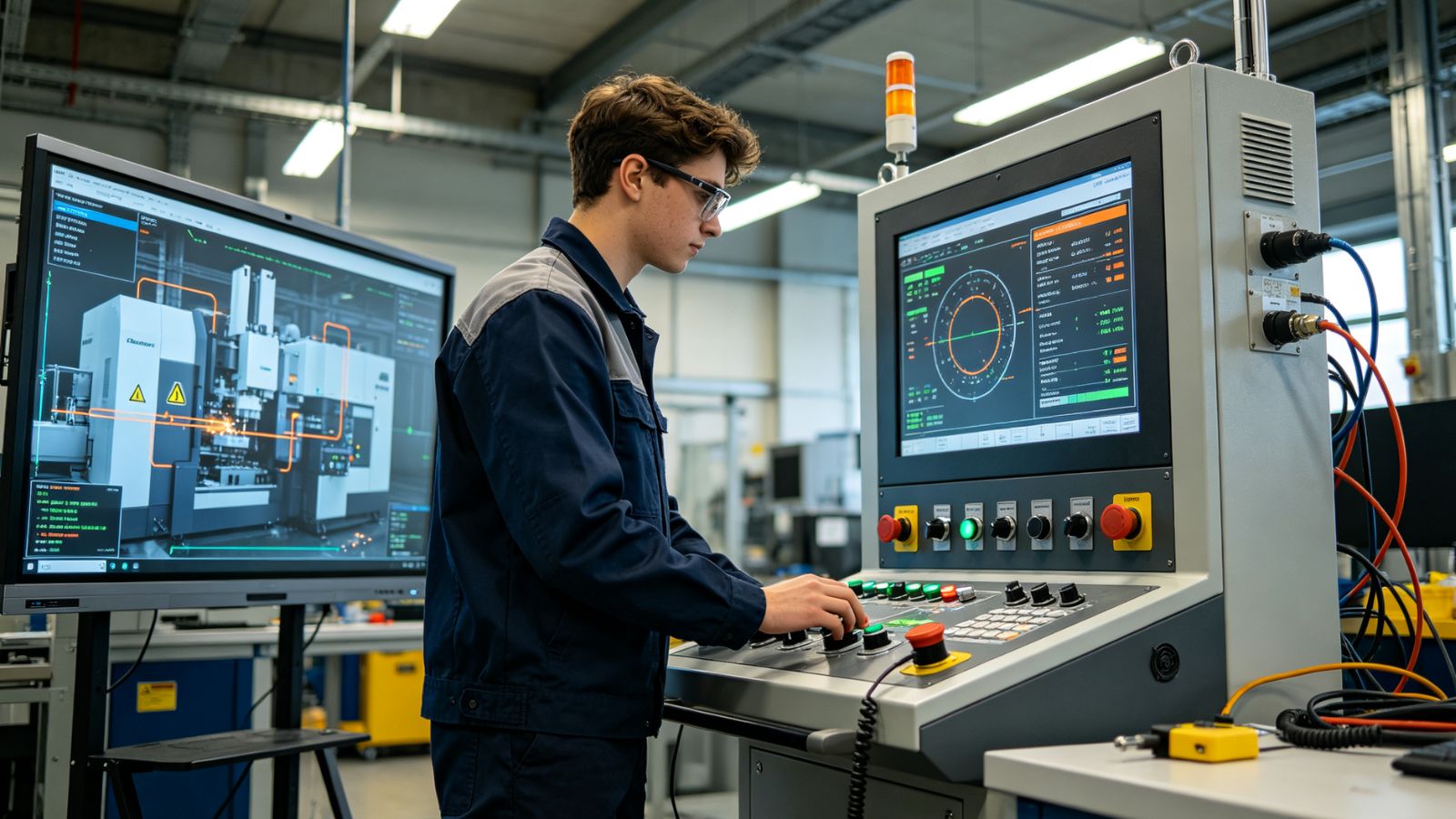
Simulation environments prove exceptionally powerful when the primary educational objective involves comprehending intricate relationships between interdependent variables, interpreting complex data streams, troubleshooting systemic failures, or practicing strategic decision-making. Students can alter initial conditions and immediately witness systemic fluctuations that would be nearly impossible to isolate or reverse during a chaotic physical experiment. In demanding technical fields, this capability establishes a vital conceptual foundation before learners ever encounter live, high-voltage, or delicate physical instruments.
Risk reduction constitutes another monumental advantage of simulation-based training. Numerous industrial, medical, chemical, aviation, and engineering procedures cannot be practiced freely in physical spaces because a single operational mistake can cause catastrophic equipment damage, financial loss, or severe safety hazards. A virtual simulation immerses learners in realistic procedural sequences and consequential decision-making without exposing human operators or physical infrastructure to real-world danger. While simulated competence is never entirely equivalent to seasoned field expertise, it provides a vital, controlled incubator for early-stage skill acquisition.
Furthermore, repeatability ensures absolute experimental consistency. Physical experiments are frequently compromised by aging equipment degradation, environmental weather variations, material shortages, or accidental human procedural errors. A digital simulation establishes a pristine, repeatable baseline, allowing instructors to evaluate whether students genuinely understand the underlying scientific process rather than wrestling with faulty hardware. However, educators must remain vigilant against artificial over-simplification, ensuring that learners eventually confront the messy variability inherent in the physical world.
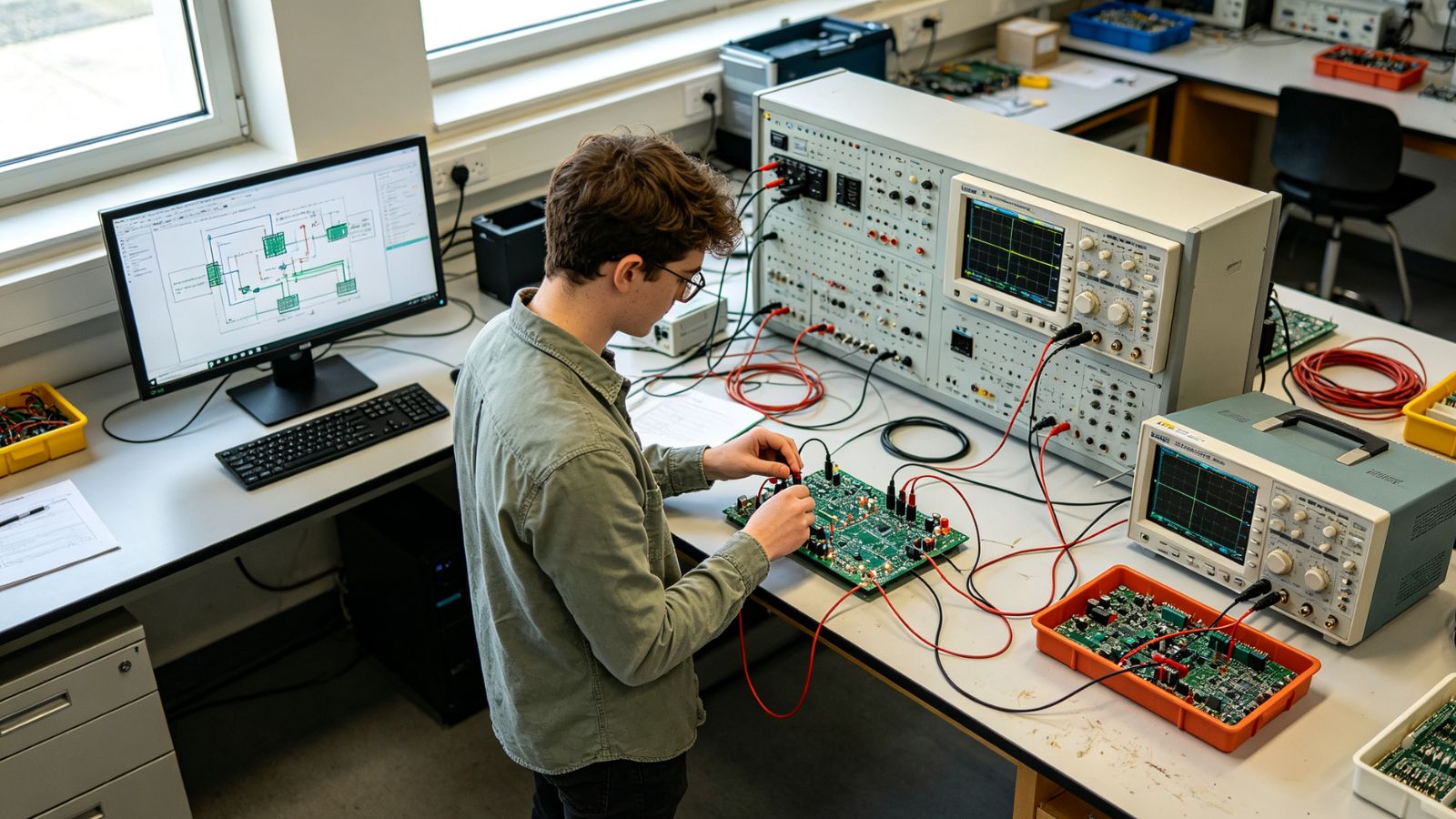
Despite their immense scalability, virtual laboratories should never be viewed as wholesale replacements for physical, hands-on instructional environments. Physical practice instills tacit, tactile competencies that software simulations inevitably represent poorly: handling delicate mechanical instruments, connecting physical wiring, managing tangible materials, diagnosing unexpected equipment friction, and adhering strictly to physical safety protocols. Students can easily memorize the correct sequence of mouse clicks on a computer screen without developing the fine motor skills and spatial awareness required inside an active laboratory.
Simulation fidelity also demands relentless critical scrutiny. A visually stunning, highly polished user interface can easily mask an oversimplified mathematical model of the underlying physical system. If a digital simulation conveniently filters out measurement error, mechanical resistance, environmental noise, or unexpected failure modes, students develop an unrealistically sanitized understanding of technical work. The central challenge for curriculum designers is verifying whether the specific variables that matter educationally are modeled with absolute scientific accuracy.
There is also a persistent psychological risk of confusing successful software completion with true conceptual mastery. If students can endlessly adjust input sliders until a simulation algorithm outputs the desired target result, they may simply learn how to game the software interface without grasping underlying scientific principles. Effective instructional design requires learners to formulate hypotheses, predict outcomes, troubleshoot anomalies, and articulate their reasoning rather than blindly chasing a predetermined digital checkmark.
The most successful deployment of virtual laboratories begins with clearly defined learning objectives rather than an uncritical enthusiasm for educational technology. Instructors must first articulate what specific competencies students need to demonstrate, then evaluate whether simulation is the optimal pedagogical vehicle. If the primary goal is analyzing systemic behavior across vast parameter spaces, simulation is exceptionally effective. If the goal is mastering the tactile operation of a surgical scalpel or a mass spectrometer, virtual exercises serve best as preparatory scaffolding for subsequent hands-on workshops.
Assessment mechanisms must likewise evolve to reflect authentic technical capability. Instead of grading students solely on whether they successfully complete a automated simulation script, instructors should evaluate experimental design choices, data interpretation methodologies, troubleshooting resilience, and the capacity to explain unexpected discrepancies. Scenario-based simulations can dynamically inject evolving complications, forcing learners to adapt their strategies rather than executing rigid, memorized checklists.
Ultimately, the optimal architectural model is a thoughtful, blended ecosystem. Students can leverage virtual simulations to internalize foundational terminology, visualize abstract variables, and rehearse basic workflows before entering a physical laboratory with deep conceptual confidence. Following hands-on sessions, the exact same simulation software can be deployed for advanced remediation or to explore extreme scenarios that are too dangerous for standard classrooms. By treating digital tools as complementary components of a unified instructional strategy rather than isolated novelties, technical education can successfully expand global access while preserving the rigorous, tactile realities that professional excellence demands.